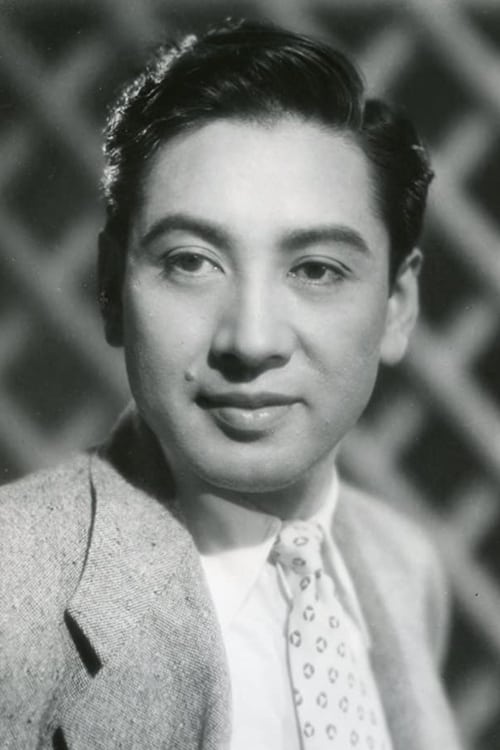
Kazuo Hasegawa: movies and series
- Known for
- Acting
- Born
- 27 February 1908, Kyoto, Kyoto, Japan
- Died
- 6 April 1984
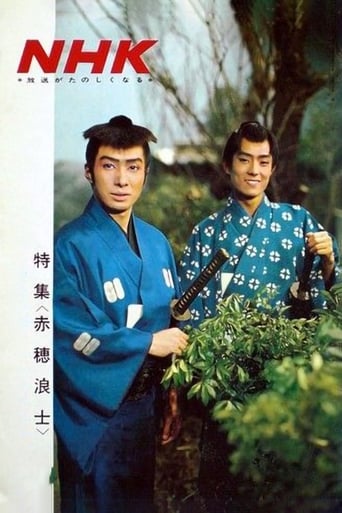
Kazuo Hasegawa was a Japanese film and stage actor. He appeared in over 300 films from 1927 to 1963. Born to a sake brewing family in Kyoto, he first appeared on stage at age five in a theater run by his family as a side business. In 1918, he became a student of Nakamura Ganjirō I and performed kabuki in the Kansai region. He joined the Shochiku studio in 1927 and made his film debut in Chigo no kenpō under the name Chōjirō Hayashi. His good looks and graceful fighting style made him a major jidaigeki star, and he appeared in more than 120 films for Shochiku in 11 years, with the best works being directed by Teinosuke Kinugasa. He moved to the Toho studio in 1937. On 11 November 1937, however, he was attacked by ruffians and his face slashed with razor blades. According to the historian Daisuke Miyao, "Even though there was no clear evidence, it was widely assumed that this violent incident was Shochiku's retaliatory measure against Hayashi's so-called betrayal." He recovered and changed his stage name to his real name, Kazuo Hasegawa. Hasegawa appeared in many successful films for Toho, including several "national-policy pictures with Chinese settings," such as Song of the White Orchid (1939) and China Night (1940), with co-star Ri Koran. He moved to Daiei Film in 1950 and continued appearing in the popular Zenigata Heiji series. He also appeared in many classic films including Kozaburo Yoshimura's The Tale of Genji (1951), Kinugasa's Gate of Hell (1953), and Kenji Mizoguchi's The Crucified Lovers (1954). He was appointed to Daiei's board of directors in 1957. To celebrate his 300th film, Hasegawa appeared in a new version of Yukinojō henge (known abroad as An Actor's Revenge) in 1963, directed by Kon Ichikawa. He left Daiei that year and continued to appear on stage and television, including starring in the second NHK Taiga drama Akō Rōshi in 1964. He also directed the Takarazuka Revue version of The Rose of Versailles in 1974.
Kazuo Hasegawa movies
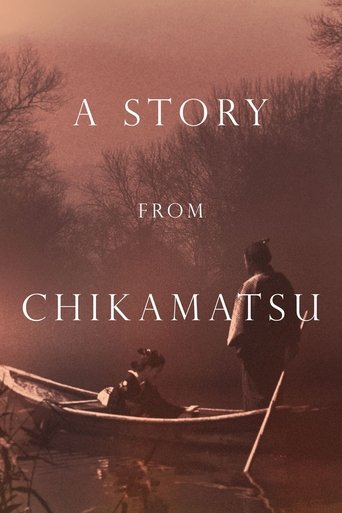 Chikamatsu Monogatari
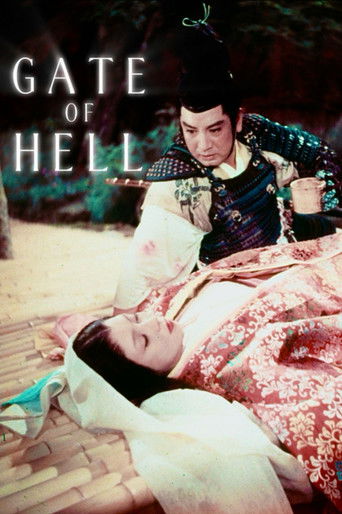 Gate of Hell
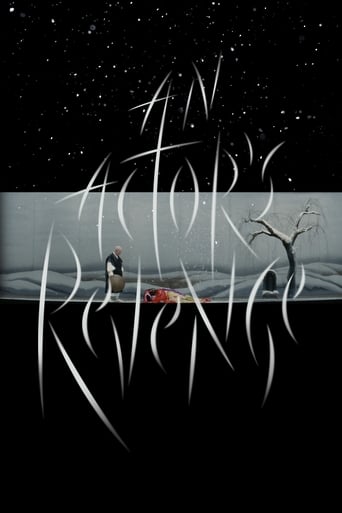 An Actor's Revenge
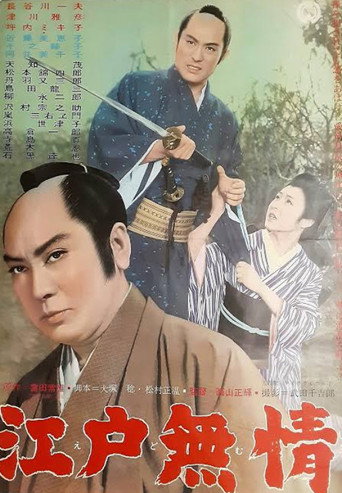 Edo mujō
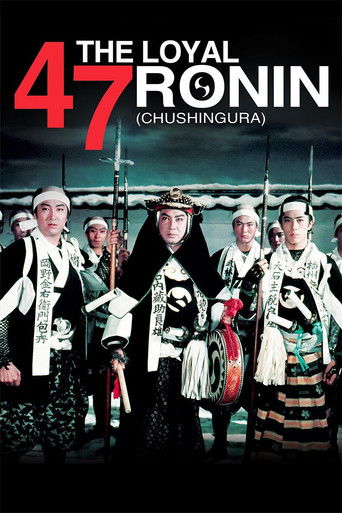 The Loyal 47 Ronin
 Jirocho Fuji
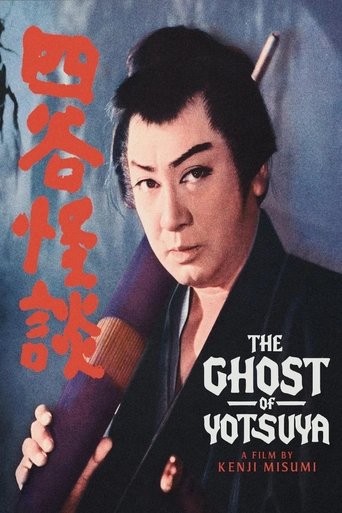 The Ghost of Yotsuya
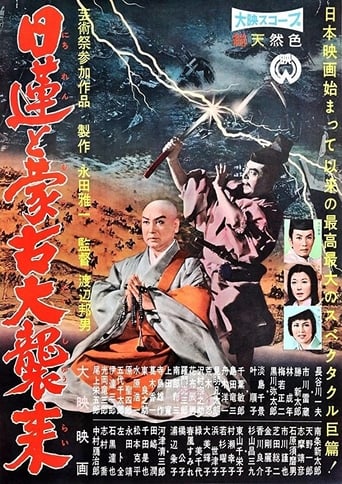 Nichiren and the Great Mongol Invasion
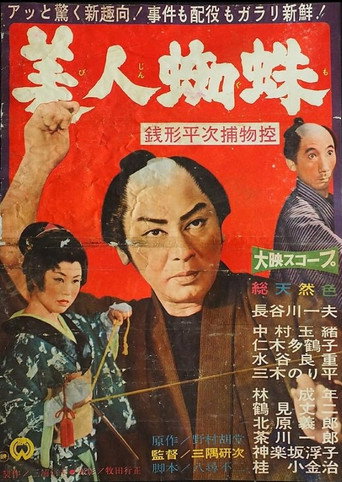 The Casebooks of Heiji Zenigata: Beautiful Spider
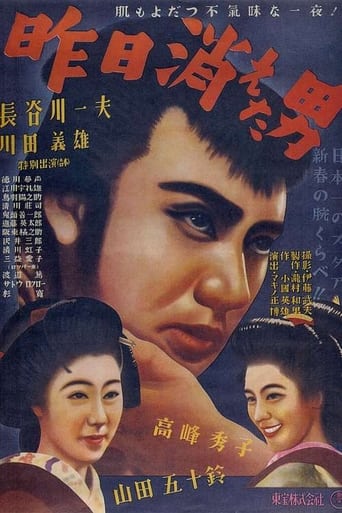 The Man Who Disappeared Yesterday
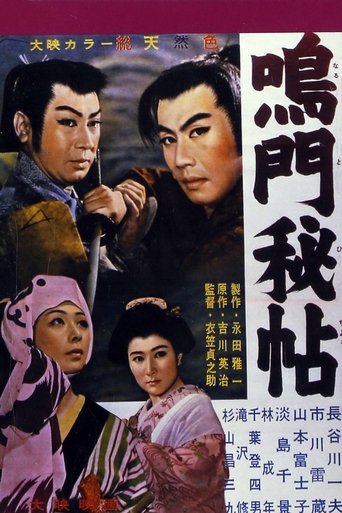 Secret of Naruto
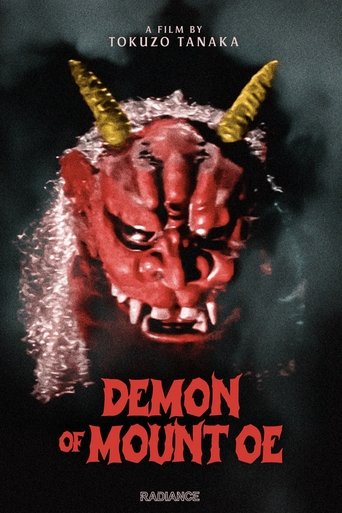 The Demon of Mount Oe
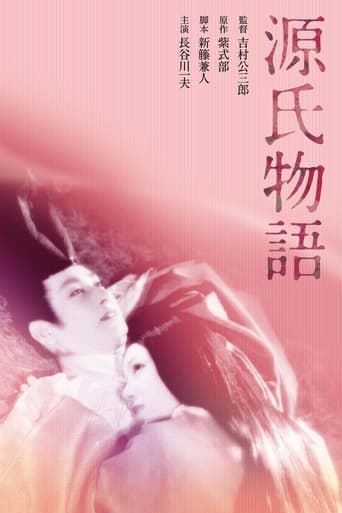 The Tale of Genji
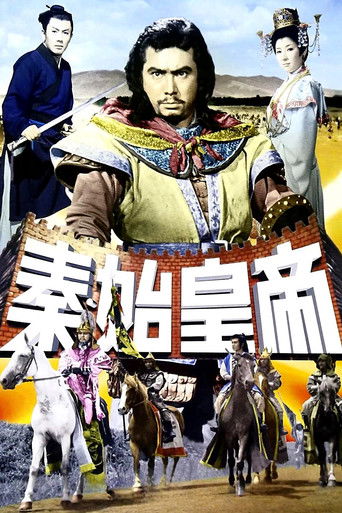 The Great Wall
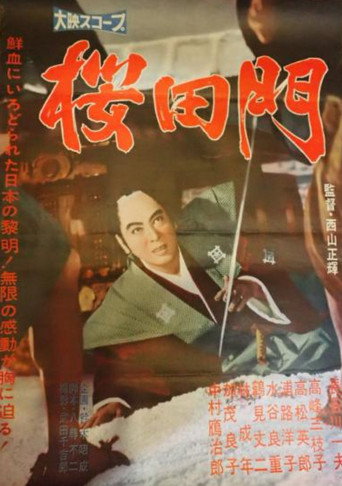 Sakurada mon
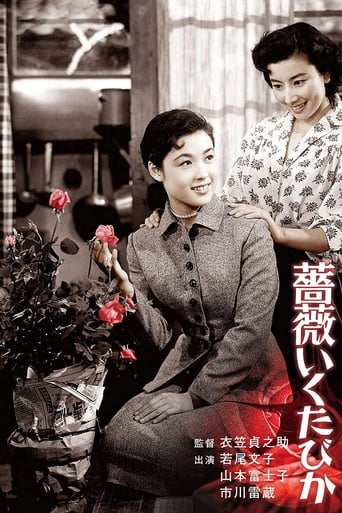 A Girl Isn't Allowed to Love
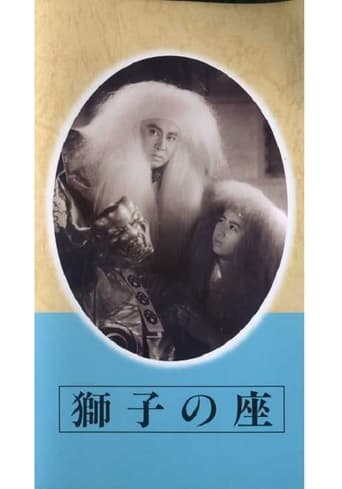 An Heir's Place
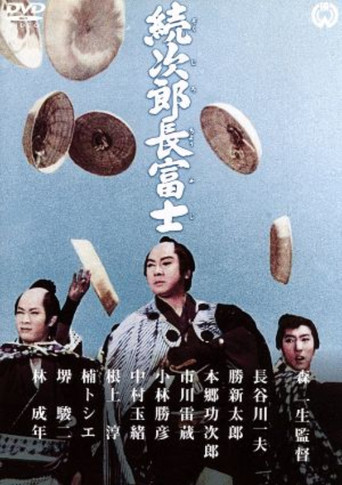 Jirocho Fuji 2: The Chivalrous
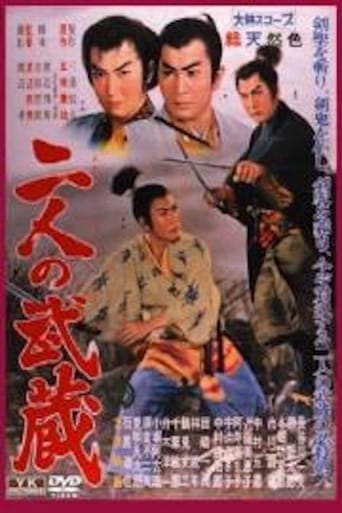 The Two Musashis
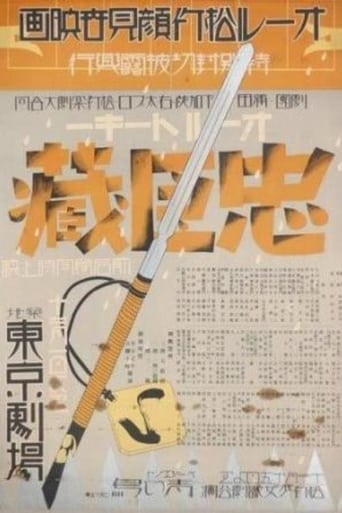 The Loyal 47 Ronin
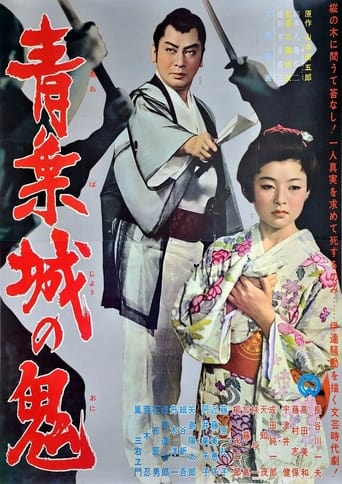 The Demon of Sendai's Castle
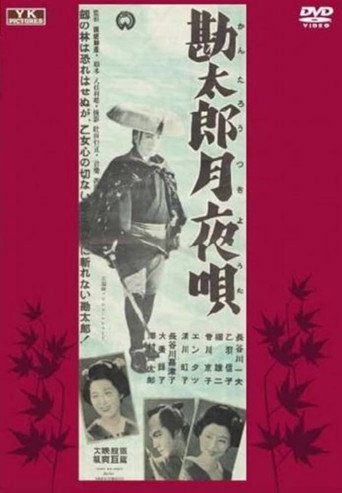 Kantarou zukiyo-uta
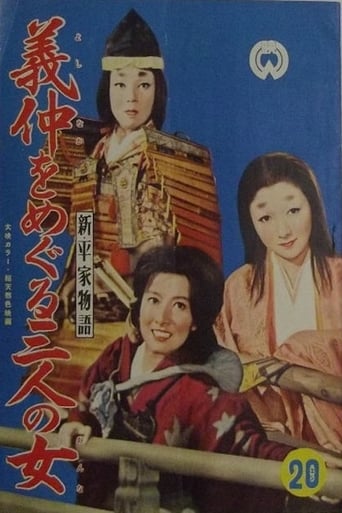 Three Women Around Yoshinaka
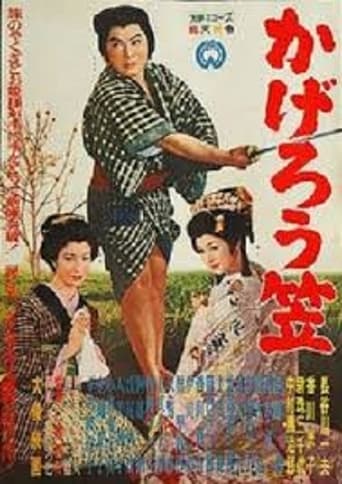 Gambler and the Princess
 Mito Komon’s Journey to Ezo
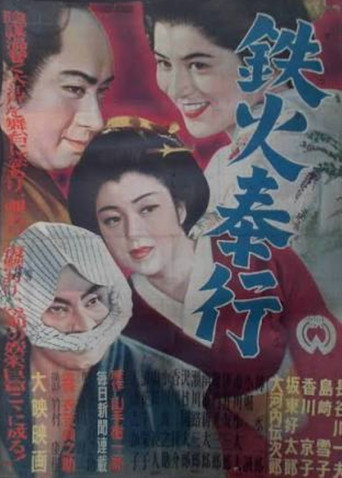 Tekka bugyō
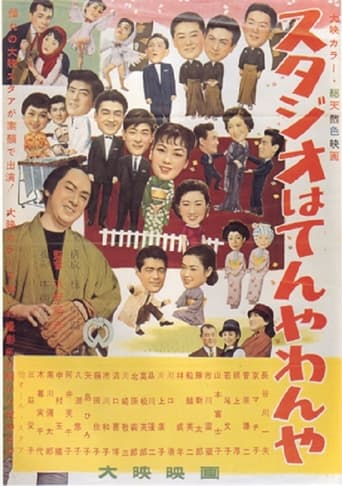 Daiei Studio is Bustling
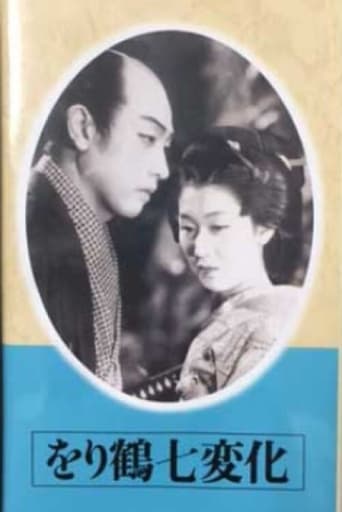 The Seven Changes of a Paper Crane (Part 1)
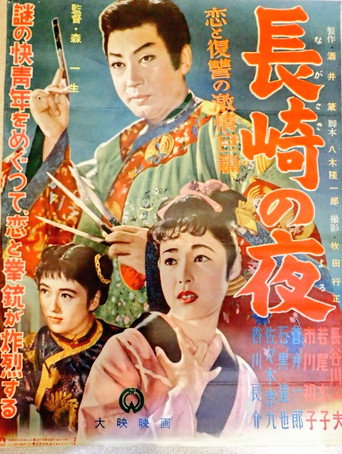 Nagasaki no yoru
Kazuo Hasegawa series
Frequently asked questions
- What are Kazuo Hasegawa's best-known movies and series?
- Kazuo Hasegawa is best known for Akō Rōshi (1964), Chikamatsu Monogatari (1954), Gate of Hell (1953), An Actor's Revenge (1963), Edo mujō (1963), ranked by how popular each title is on TMDB.
- When was Kazuo Hasegawa born?
- Kazuo Hasegawa was born on 27 February 1908 in Kyoto, Kyoto, Japan.
Which Kazuo Hasegawa title should you watch?
Say what you are in the mood for and Free Movies Baby picks one, with where to watch it.
Ask Free Movies Baby