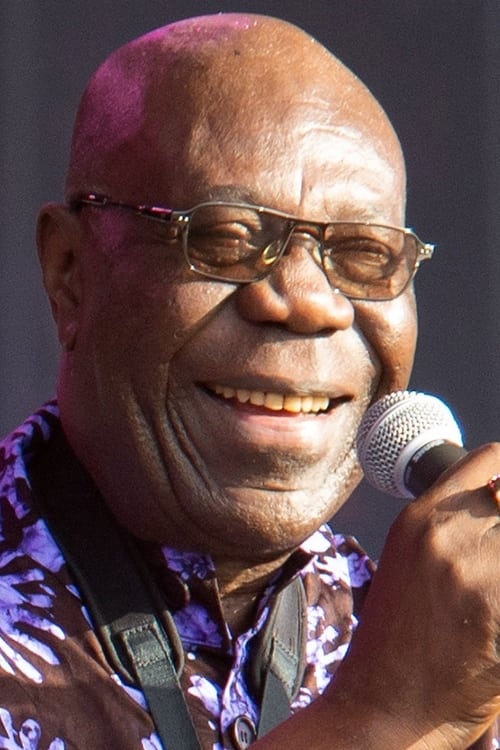
Manu Dibango: movies and series
- Known for
- Sound
- Born
- 12 December 1933, Douala, Cameroon
- Died
- 24 March 2020
Emmanuel N'Djoké "Manu" Dibango (12 December 1933 – 24 March 2020) was a Cameroonian musician and songwriter who played saxophone and vibraphone. He developed a musical style fusing jazz, funk, and traditional Cameroonian music. His father was a member of the Yabassi ethnic group, while his mother was a Duala. He was best known for his 1972 single "Soul Makossa". He died from COVID-19 on 24 March 2020. Emmanuel "Manu" Dibango was born in Douala, Cameroon in 1933. His father, Michel Manfred N'Djoké Dibango, was a civil servant. Son of a farmer, he met his wife travelling by pirogue to her residence, Douala. Emmanuel's mother was a fashion designer, running her own small business. Both her ethnic group, the Douala, and his, the Yabassi, viewed this union of different ethnic groups with some disdain. Dibango had only a stepbrother from his father's previous marriage, who was four years older than him. In Cameroon, one's ethnicity is dictated by one's father, though Dibango wrote in his autobiography, Three Kilos of Coffee, that he had "never been able to identify completely with either of [his] parents". Dibango's uncle was the leader of his extended family. Upon his death, Dibango's father refused to take over, as he never fully initiated his son into the Yabassi's customs. Throughout his childhood, Dibango slowly forgot the Yabassi language in favour of the Douala. However, his family did live in the Yabassi encampment on the Yabassi plateau, close to the Wouri River in central Douala. While a child, Dibango attended Protestant church every night for religious education, or nkouaida. He enjoyed studying music there, and reportedly was a fast learner. In 1941, after being educated at his village school, Dibango was accepted into a colonial school, near his home, where he learned French. He admired the teacher, whom he described as "an extraordinary draftsman and painter". In 1944, French president Charles de Gaulle chose this school to perform the welcoming ceremonies upon his arrival in Cameroon. In 1949, at age 15, Dibango was sent to college in Saint-Calais, France. After that he attended the lycée de Chartres where he learned the piano. He was a member of the seminal Congolese rumba group African Jazz and has collaborated with many other musicians, including Fania All Stars, Fela Kuti, Herbie Hancock, Bill Laswell, Bernie Worrell, Ladysmith Black Mambazo, King Sunny Adé, Don Cherry, and Sly and Robbie. He achieved a considerable following in the UK with a disco hit called "Big Blow", originally released in 1976 and re-mixed as a 12″ single in 1978 on Island Records. In 1998, he recorded the album CubAfrica with Cuban artist Eliades Ochoa. At the 16th Annual Grammy Awards in 1974, he was nominated in the categories Best R&B Instrumental Performance and Best Instrumental Composition for "Soul Makossa". The lyrics of the song "Soul Makossa" on the record of the same name contain the word "makossa", which refers to a style of Cameroonian urban music and means "(I) dance" in Dibango's native tongue, the Cameroonian language Duala. The song has influenced popular music hits, including Kool and the Gang's "Jungle Boogie". Source: Article "Manu Dibango" from Wikipedia in English, licensed under CC-BY-SA 3.0.
Manu Dibango movies
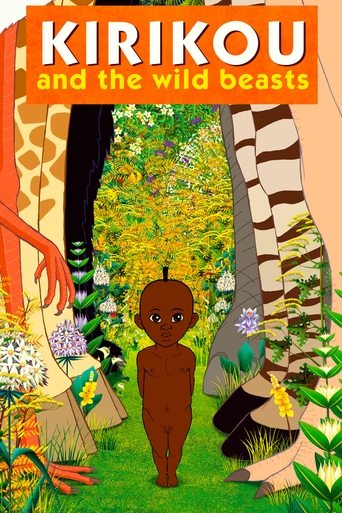 Kirikou and the Wild Beasts
 September 11
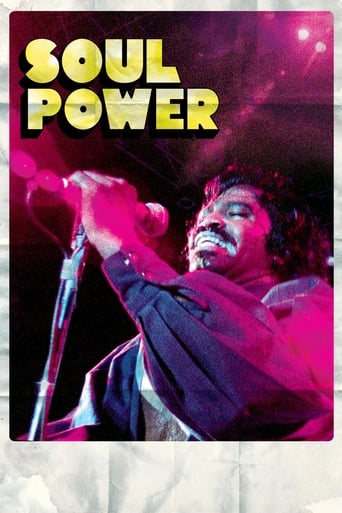 Soul Power
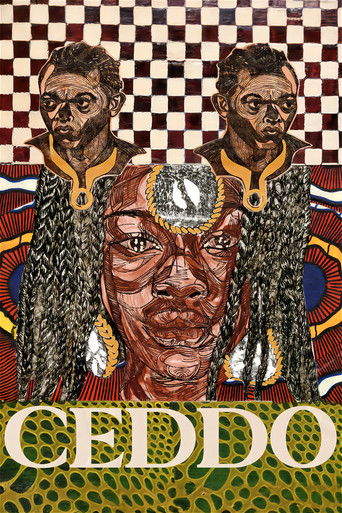 Ceddo
 How to Make Love to a Negro Without Getting Tired
 Africa Rising
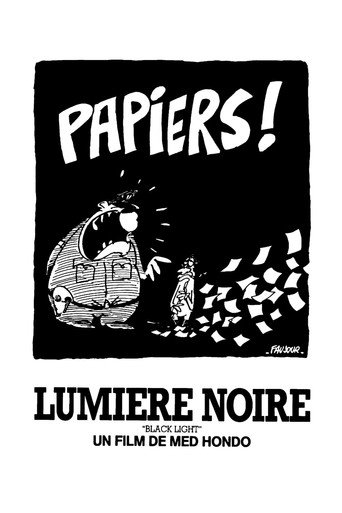 Black Light
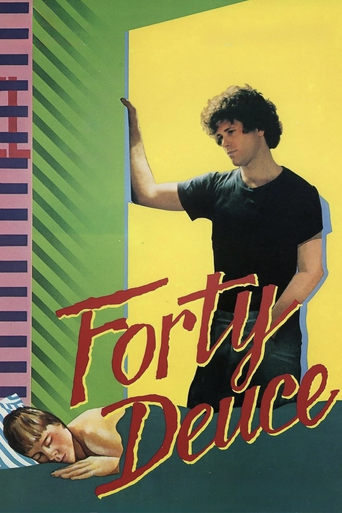 Forty Deuce
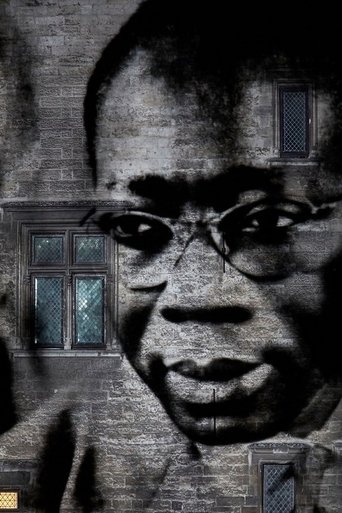 Femme Noire
 Nos plus belles années 80 : La Compil !
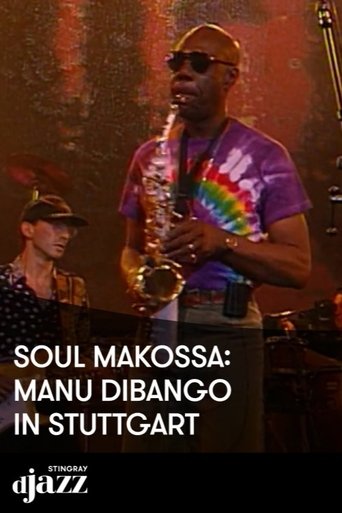 Soul Makossa Manu Dibango jazz Open Stuttgart - 1995
 Black Dju
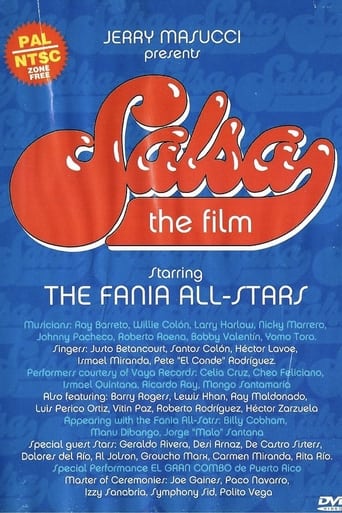 Salsa
 Lady Cops
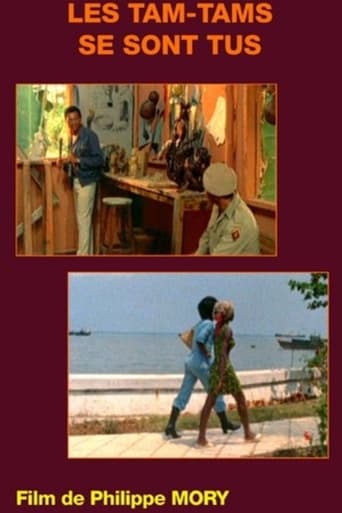 The Tam Tams Are Silent
 Thomas Ngijol - 2
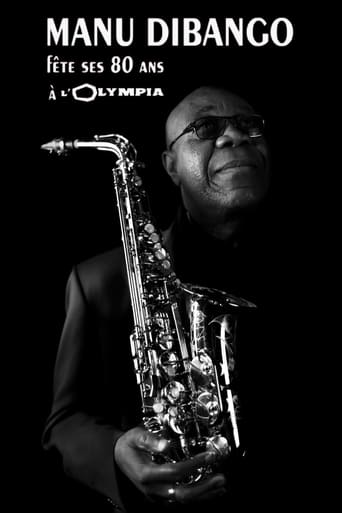 Manu Dibango fête ses 80 ans à l'Olympia de Paris
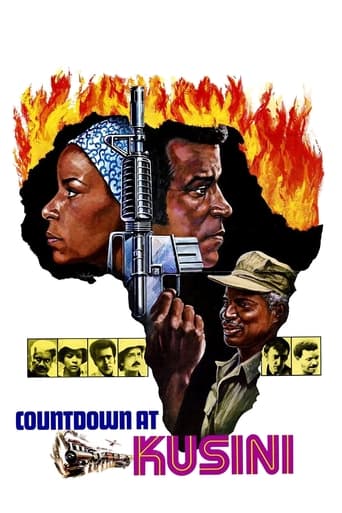 Countdown at Kusini
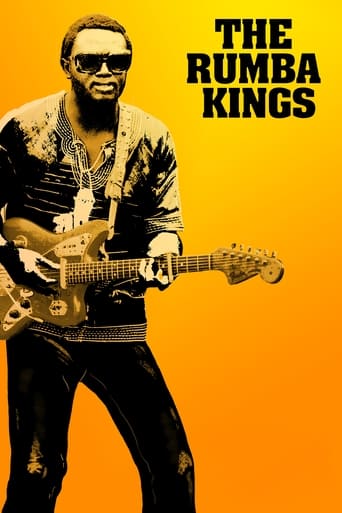 The Rumba Kings
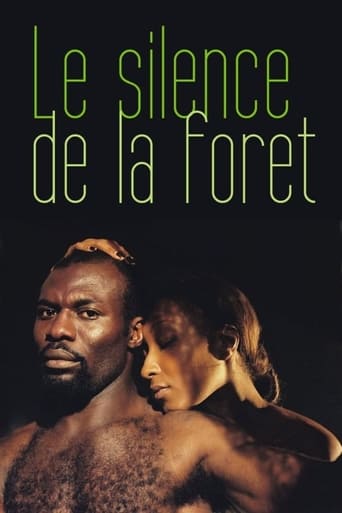 The Silence of the Forest
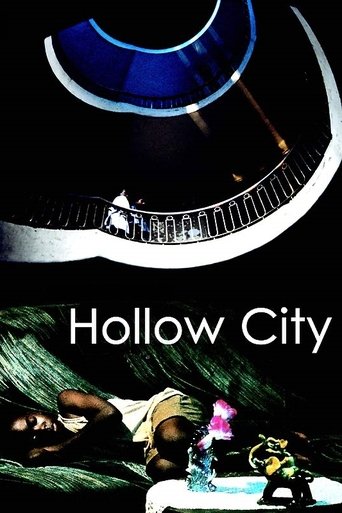 Hollow City
 Changa Changa, rythmes en noirs et blancs
 My Voice
 Paris Black Night
 Kounandi
Manu Dibango series
Frequently asked questions
- What are Manu Dibango's best-known movies and series?
- Manu Dibango is best known for Victoires de la musique (1985), Téléthon (1987), Kirikou and the Wild Beasts (2005), September 11 (2002), Soul Power (2009), ranked by how popular each title is on TMDB.
- When was Manu Dibango born?
- Manu Dibango was born on 12 December 1933 in Douala, Cameroon.
Which Manu Dibango title should you watch?
Say what you are in the mood for and Free Movies Baby picks one, with where to watch it.
Ask Free Movies Baby