
Luis Buñuel: movies and series
- Known for
- Directing
- Born
- 22 February 1900, Calanda, Teruel, Aragón, España
- Died
- 29 July 1983
Luis Buñuel Portolés (Spanish: [ˈlwis βuˈɲwel poɾtoˈles]; 22 February 1900 – 29 July 1983) was a Spanish filmmaker who worked in France, Mexico, and Spain. He has been widely considered by many film critics, historians, and directors to be one of the greatest and most influential filmmakers of all time. Buñuel's work was known for its avant-garde surrealism which was also infused with political commentary and social satire. Often associated with the surrealist movement of the 1920s, Buñuel made films from the 1920s through the 1970s. He collaborated with prolific surrealist painter Salvador Dali creating the films Un Chien Andalou (1929), which was made in the silent era and L'Age d'Or (1930). The two films are seen as the birth of Cinematic surrealism. From 1947 to 1960 he developed his skills as a director filming in Mexico making grounded and human melodramas such as Gran Casino (1947), Los Olvidados (1950), and Él (1953). Here is where he gained the fundamentals of storytelling. Buñuel than transitioned into making artful, unconventional, surrealist, and political satirical films. He earned acclaim with the morally complex arthouse drama film Viridiana (1961) which criticized the Francoist dictatorship. The film won the Palme d'Or at the 1961 Cannes Film Festival. He then criticized political and social conditions in The Exterminating Angel (1962), and The Discreet Charm of the Bourgeoise (1972) the later of which won the Academy Award for Best International Feature Film. He also directed Diary of a Chambermaid (1964), and Belle de Jour (1967), as well as his final film That Obscure Object of Desire (1977) the later of which earned the National Society of Film Critics Award for Best Director. Buñuel earned five Cannes Film Festival prizes, two Berlin International Film Festival prizes, and a BAFTA Award as well as nominations for two Academy Awards. Buñuel received numerous honors including National Prize for Arts and Sciences for Fine Arts in 1977, the Moscow International Film Festival Contribution to Cinema Prize in 1979, and the Career Golden Lion in 1982. He was nominated once for the Nobel Prize in Literature in 1968. Seven of Buñuel's films are included in Sight & Sound's 2012 critics' poll of the top 250 films of all time.
Luis Buñuel movies
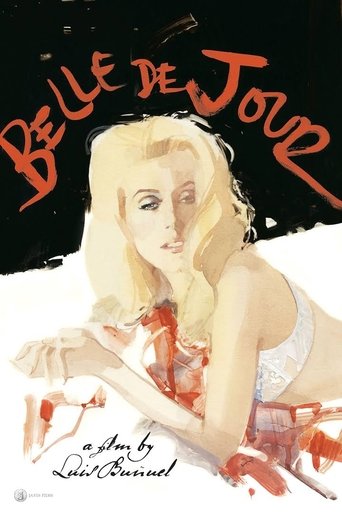 Belle de Jour
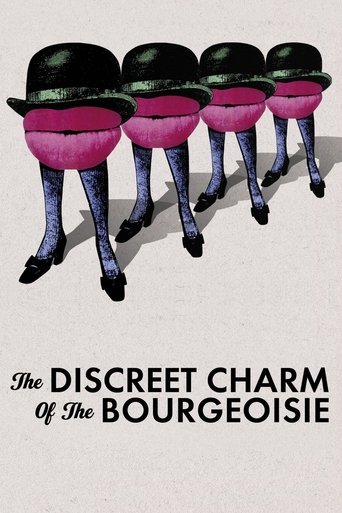 The Discreet Charm of the Bourgeoisie
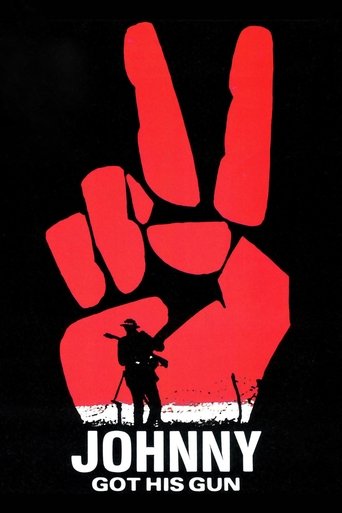 Johnny Got His Gun
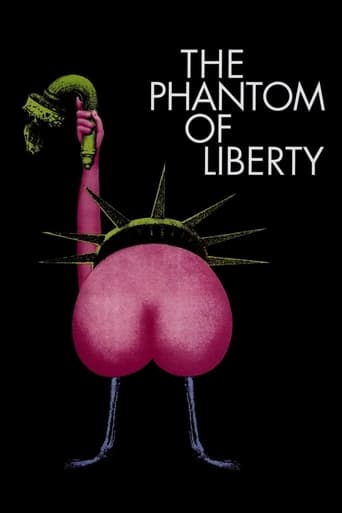 The Phantom of Liberty
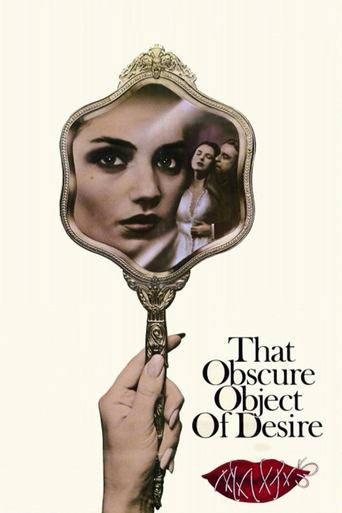 That Obscure Object of Desire
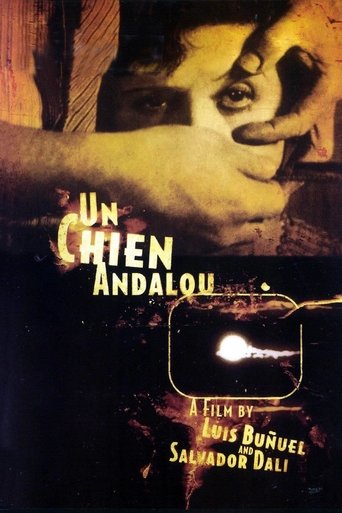 Un Chien Andalou
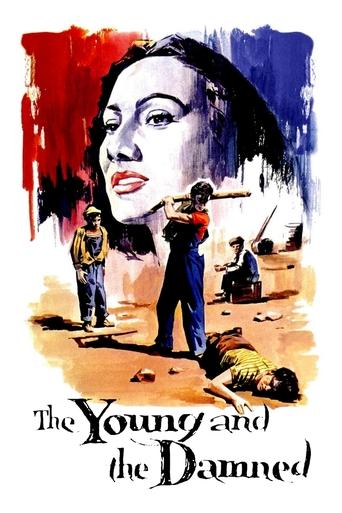 The Young and the Damned
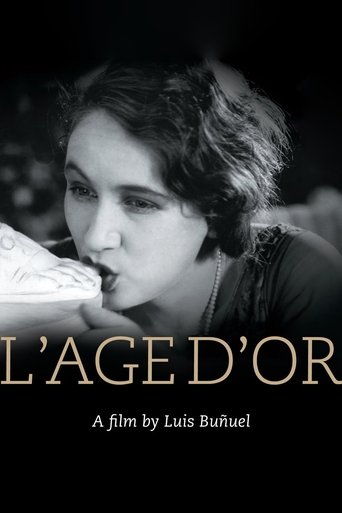 L'Âge d'or
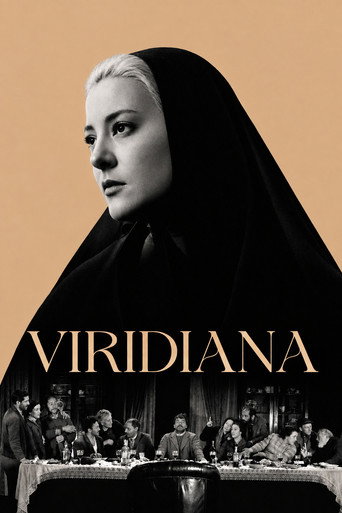 Viridiana
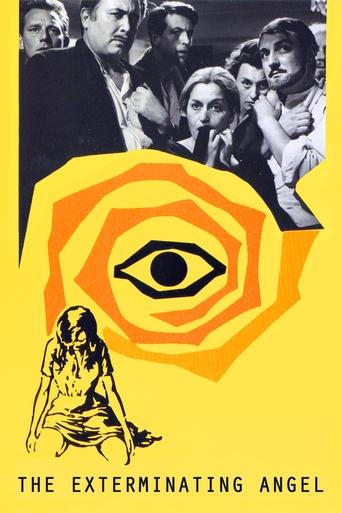 The Exterminating Angel
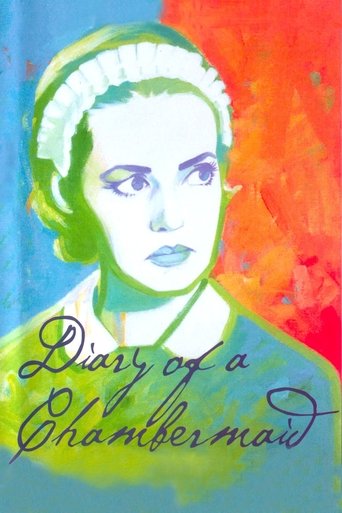 Diary of a Chambermaid
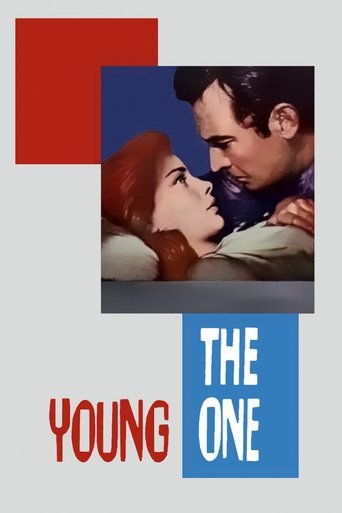 The Young One
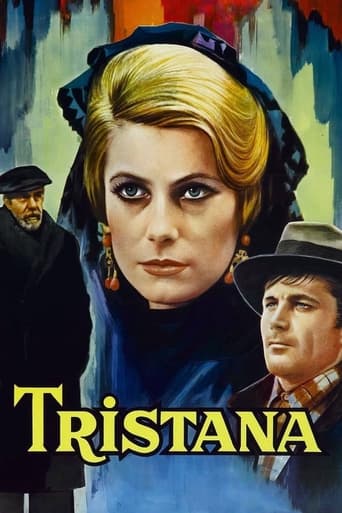 Tristana
 Fever Mounts at El Pao
 Death in the Garden
 200 Lives, Paco Rabal
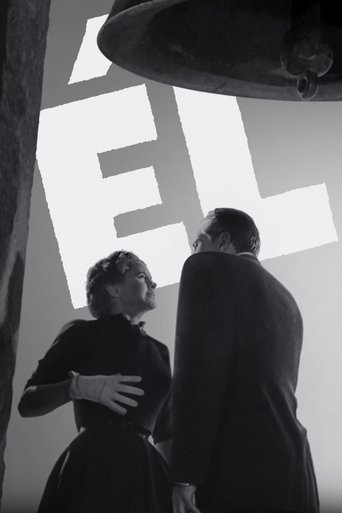 Él
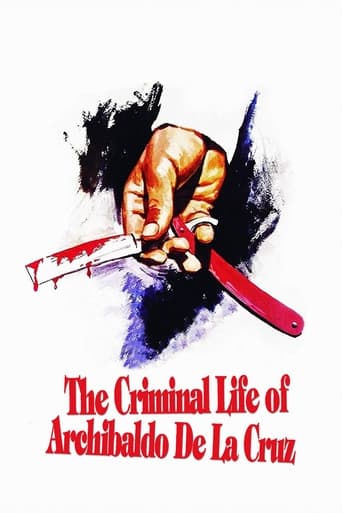 The Criminal Life of Archibaldo de la Cruz
 Siren of the Tropics
 Nazarín
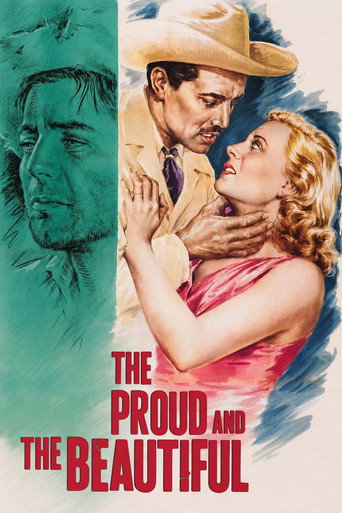 The Proud and the Beautiful
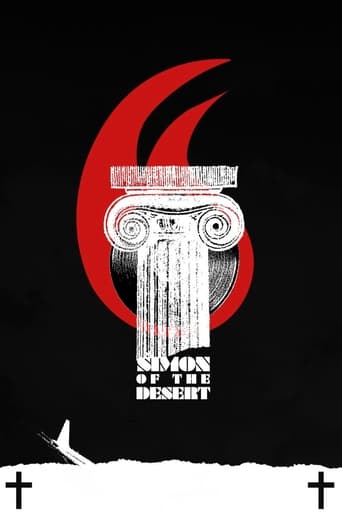 Simon of the Desert
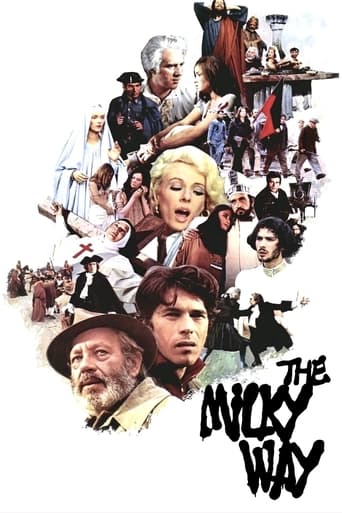 The Milky Way
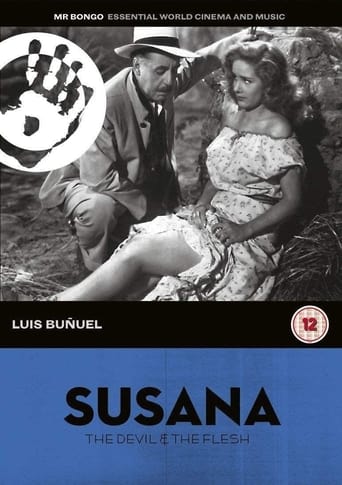 Susana
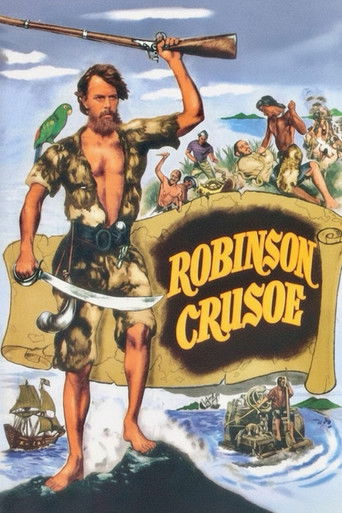 Robinson Crusoe
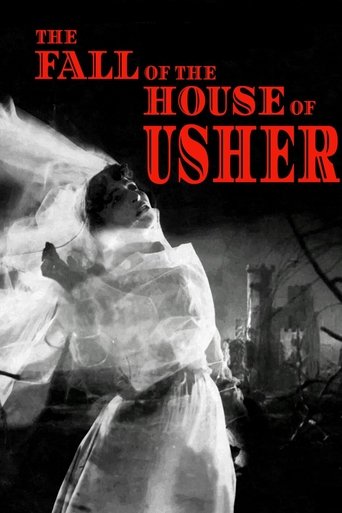 The Fall of the House of Usher
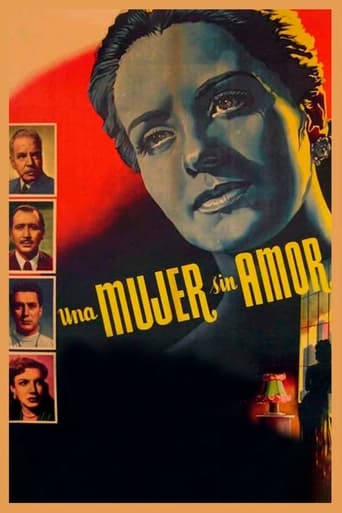 A Woman Without Love
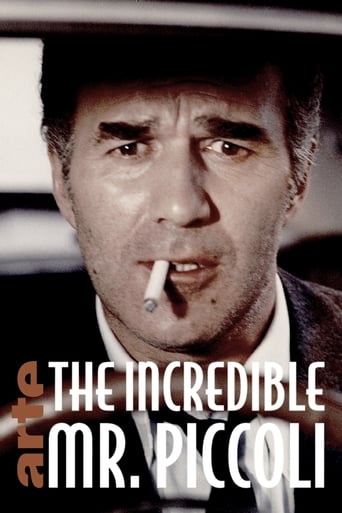 The Incredible Mr. Piccoli
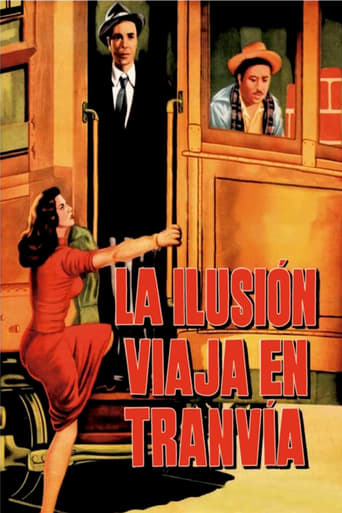 Illusion Travels by Streetcar
Luis Buñuel series
Frequently asked questions
- What are Luis Buñuel's best-known movies and series?
- Luis Buñuel is best known for Reflets de Cannes (1954), Belle de Jour (1967), The Discreet Charm of the Bourgeoisie (1972), Johnny Got His Gun (1971), The Phantom of Liberty (1974), ranked by how popular each title is on TMDB.
- When was Luis Buñuel born?
- Luis Buñuel was born on 22 February 1900 in Calanda, Teruel, Aragón, España.
Which Luis Buñuel title should you watch?
Say what you are in the mood for and Free Movies Baby picks one, with where to watch it.
Ask Free Movies Baby