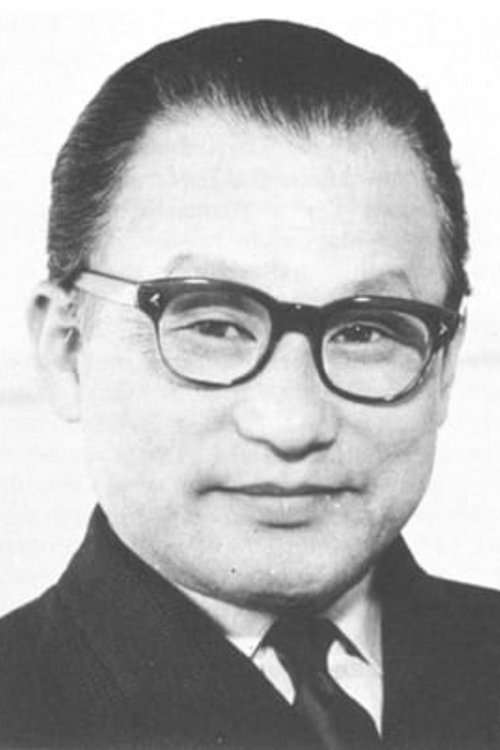
Kazuo Miyagawa: movies and series
- Known for
- Camera
- Born
- 25 February 1908, Kyoto, Japan
- Died
- 7 August 1999
Kazuo Miyagawa (宮川 一夫 Miyagawa Kazuo, February 25, 1908 – August 7, 1999) was an acclaimed Japanese cinematographer. Miyagawa is best known for his tracking shots, particularly those in Rashomon (1950), the first of his three collaborations with preeminent filmmaker Akira Kurosawa. He also worked on films by major directors Kenji Mizoguchi, Yasujirō Ozu, and Kon Ichikawa, such as Ugetsu Monogatari (1953), Floating Weeds (1959) and the documentary Tokyo Olympiad (1965) respectively. Miyagawa is regarded as having invented the cinematographic technique known as bleach bypass, for Ichikawa's 1960 film Her Brother.
Kazuo Miyagawa movies
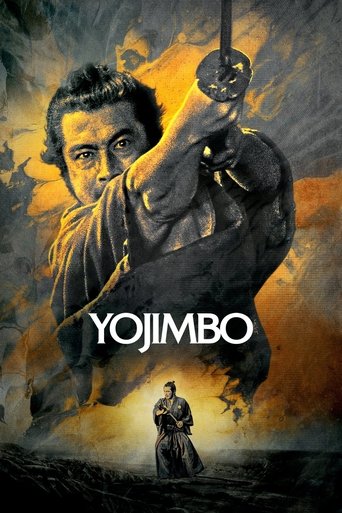 Yojimbo
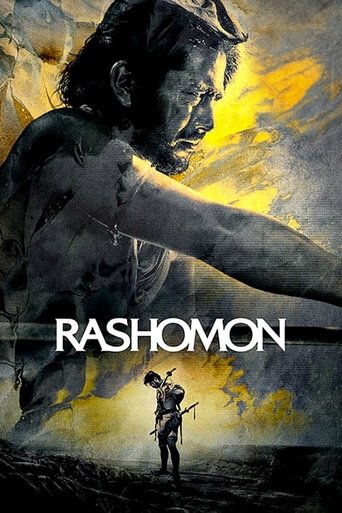 Rashomon
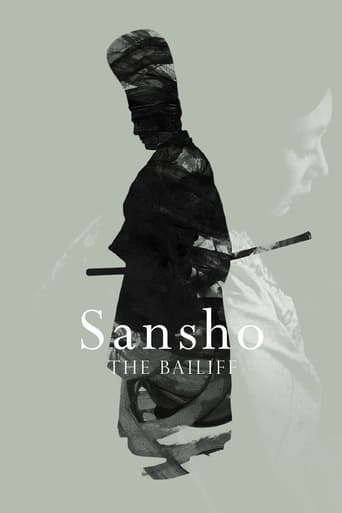 Sansho the Bailiff
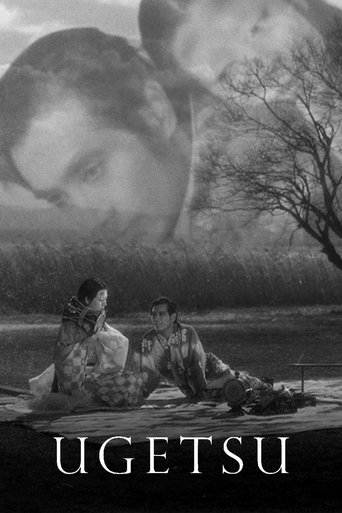 Ugetsu
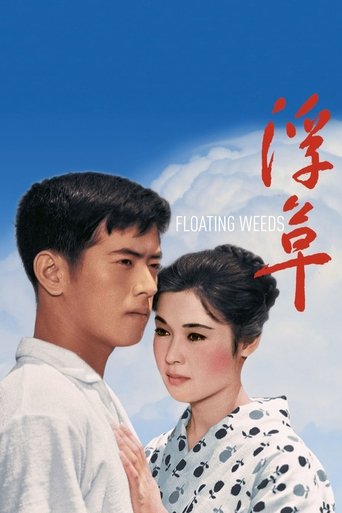 Floating Weeds
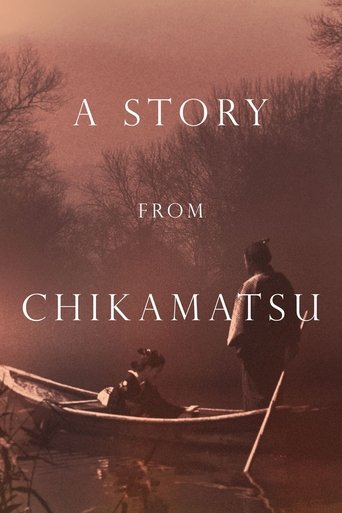 Chikamatsu Monogatari
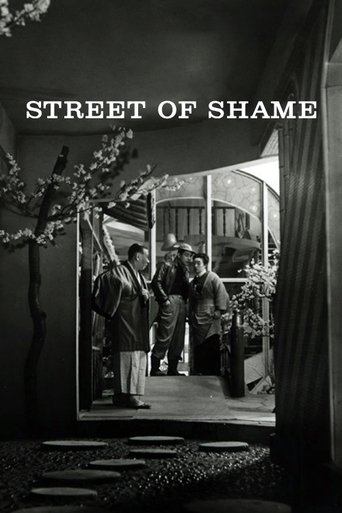 Street of Shame
 Odd Obsession
 Zatoichi Goes to the Fire Festival
 Lone Wolf and Cub: Baby Cart in Peril
 Irezumi
 Ballad of Orin
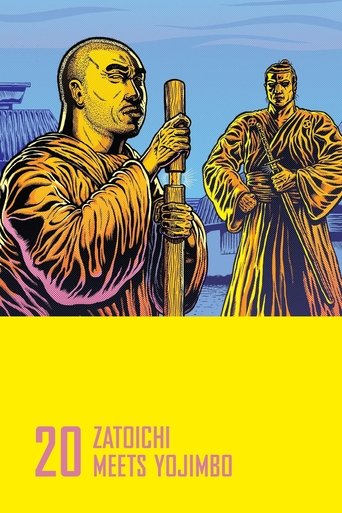 Zatoichi Meets Yojimbo
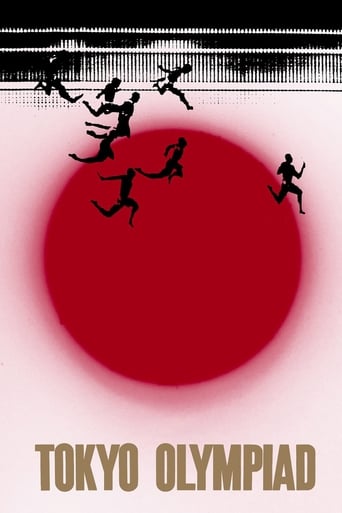 Tokyo Olympiad
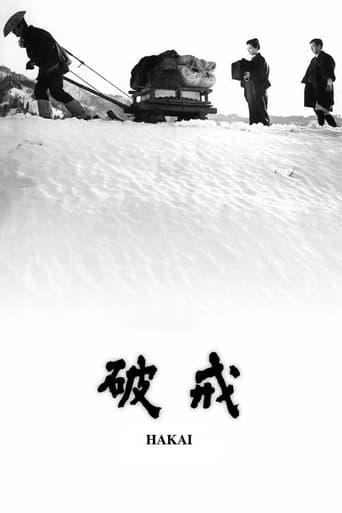 The Broken Commandment
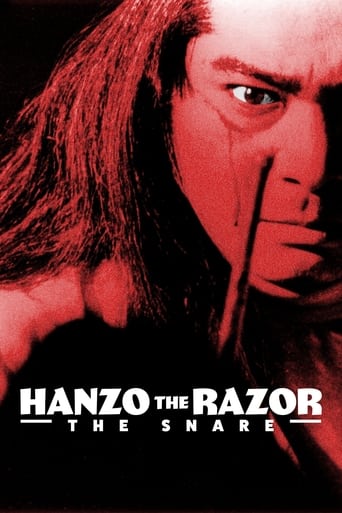 Hanzo the Razor: The Snare
 Zatoichi's Vengeance
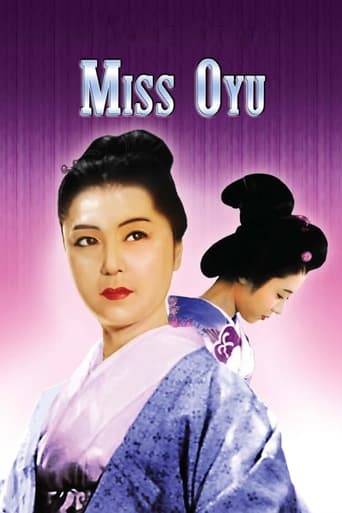 Miss Oyu
 Taira Clan Saga
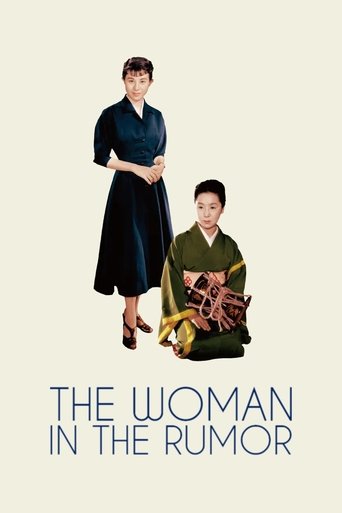 The Woman in the Rumor
 Gonza the Spearman
 Zatoichi and the Fugitives
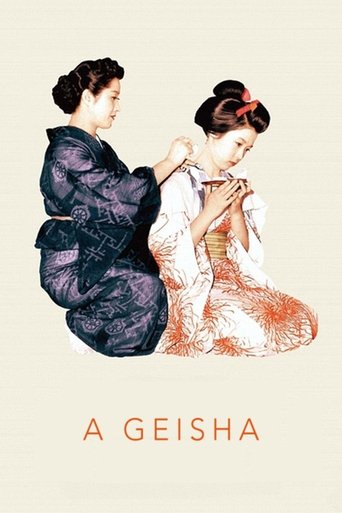 A Geisha
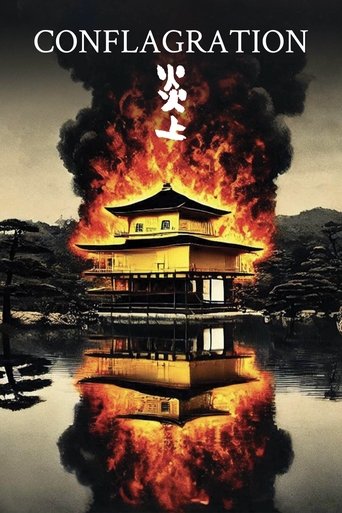 Conflagration
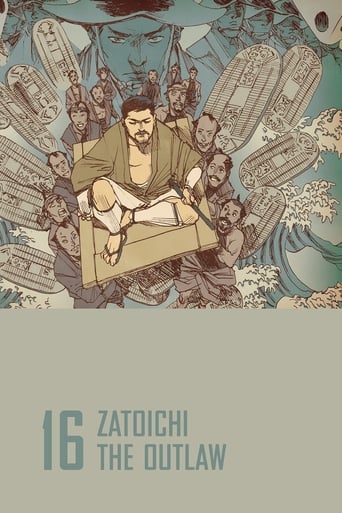 Zatoichi the Outlaw
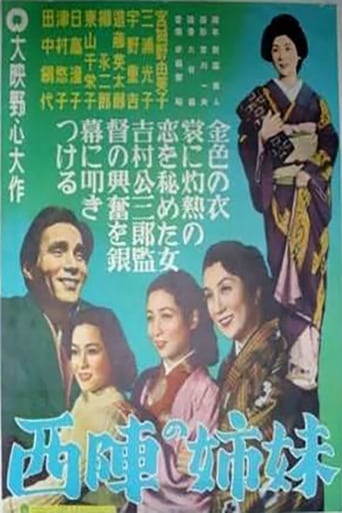 Sisters of Nishijin
 Silence
 Zatoichi and the Chest of Gold
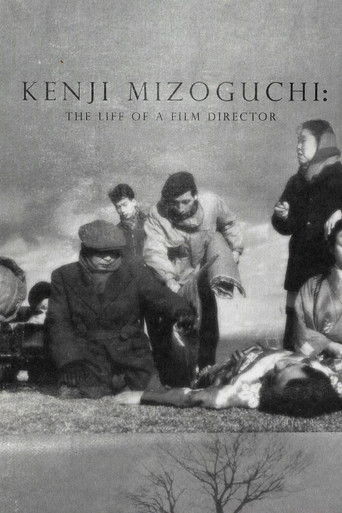 Kenji Mizoguchi: The Life of a Film Director
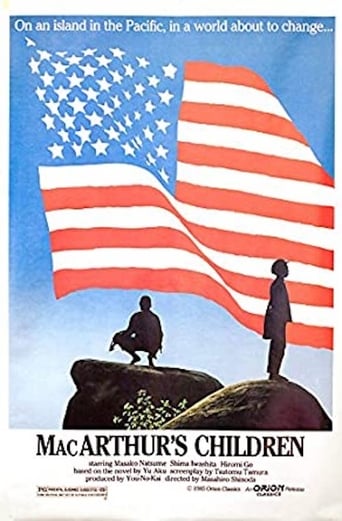 MacArthur's Children
Frequently asked questions
- What are Kazuo Miyagawa's best-known movies and series?
- Kazuo Miyagawa is best known for Yojimbo (1961), Rashomon (1950), Sansho the Bailiff (1954), Ugetsu (1953), Floating Weeds (1959), ranked by how popular each title is on TMDB.
- When was Kazuo Miyagawa born?
- Kazuo Miyagawa was born on 25 February 1908 in Kyoto, Japan.
Which Kazuo Miyagawa title should you watch?
Say what you are in the mood for and Free Movies Baby picks one, with where to watch it.
Ask Free Movies Baby