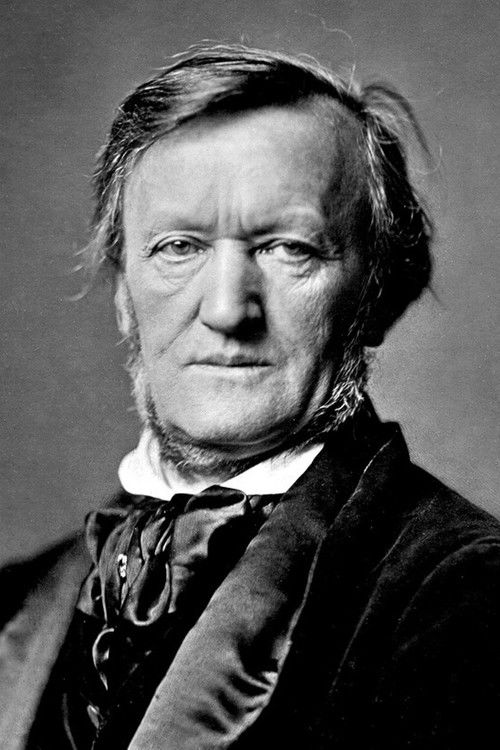
Richard Wagner: movies and series
- Known for
- Sound
- Born
- 22 May 1813, Leipzig, Germany
- Died
- 13 February 1883
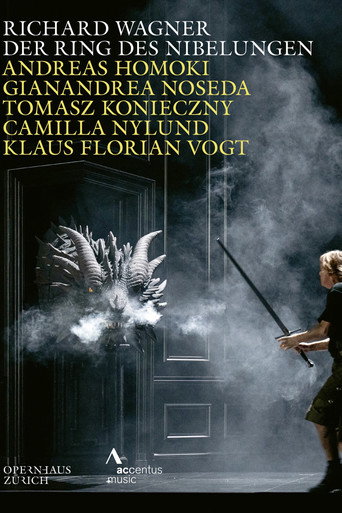
Wilhelm Richard Wagner (/ˈvɑːɡnər/; German: [ˈʁiçaʁt ˈvaːɡnɐ] (About this sound listen); 22 May 1813 – 13 February 1883) was a German composer, theatre director, polemicist, and conductor who is chiefly known for his operas (or, as some of his later works were later known, "music dramas"). Unlike most opera composers, Wagner wrote both the libretto and the music for each of his stage works. He described this vision in a series of essays published between 1849 and 1852. Wagner realised these ideas most fully in the first half of the four-opera cycle Der Ring des Nibelungen (The Ring of the Nibelung). His compositions, particularly those of his later period, are notable for their complex textures, rich harmonies and orchestration, and the elaborate use of leitmotifs—musical phrases associated with individual characters, places, ideas, or plot elements. His advances in musical language, such as extreme chromaticism and quickly shifting tonal centres, greatly influenced the development of classical music. His Tristan und Isolde is sometimes described as marking the start of modern music. Famously, he is known for Der Ring des Nibelungen (The Ring of the Nibelung), WWV 86, is a cycle of four German-language epic music dramas composed by Richard Wagner. The works are based loosely on characters from the Norse sagas and the Nibelungenlied. The four parts that constitute the Ring cycle are, in sequence: Das Rheingold (The Rhinegold) Die Walküre (The Valkyrie) Siegfried Götterdämmerung (Twilight of the Gods) Wagner had his own opera house built, the Bayreuth Festspielhaus, which embodied many novel design features. The Ring and Parsifal were premiered here and his most important stage works continue to be performed at the annual Bayreuth Festival, run by his descendants. His thoughts on the relative contributions of music and drama in opera were to change again, and he reintroduced some traditional forms into his last few stage works, including Die Meistersinger von Nürnberg (The Mastersingers of Nuremberg).
Richard Wagner movies
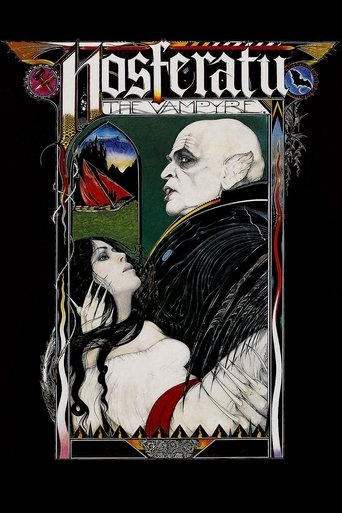 Nosferatu the Vampyre
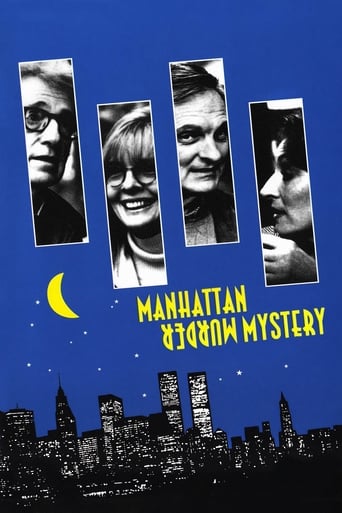 Manhattan Murder Mystery
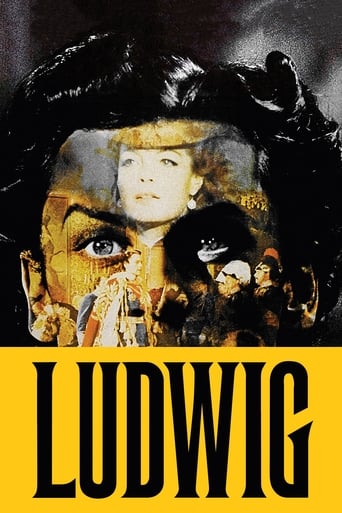 Ludwig
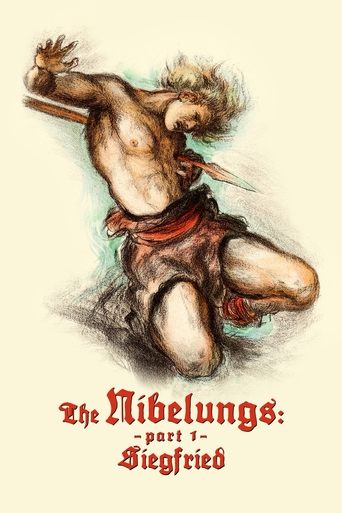 Die Nibelungen: Siegfried
 Patriotism
 The Royal Opera: Wagner's Siegfried
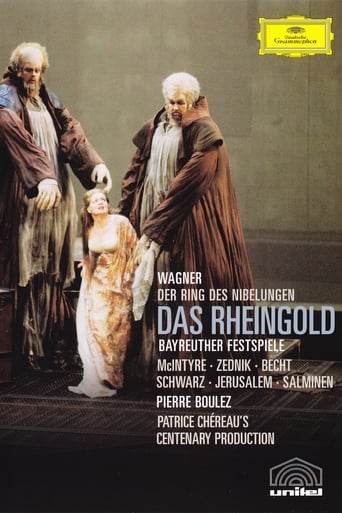 Wagner: Das Rheingold
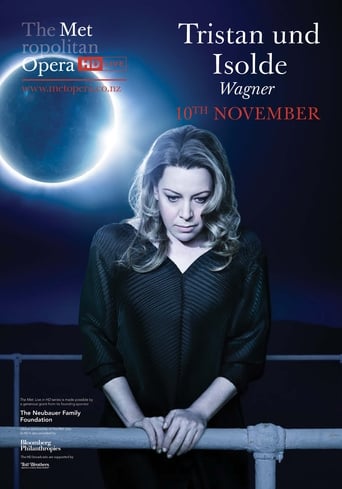 Tristan und Isolde - Metropolitan Opera
 A Corpse in Kensington
 Wagner: Das Rheingold - Royal Opera House
 The Metropolitan Opera - Wagner: Tannhäuser
 Agi, the Fury of Evil
 Wagner: Die Walküre - Royal Opera House
 The Metropolitan Opera: Tristan und Isolde
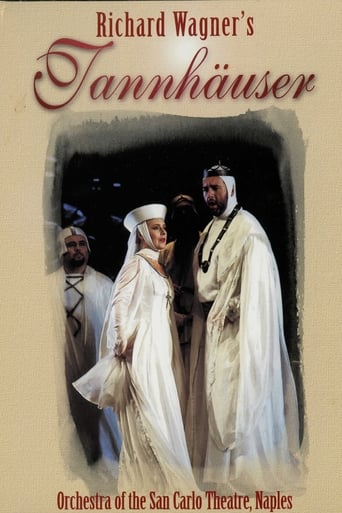 Tannhäuser
 Ludwig II
 The Man Who Would Be Kubrick
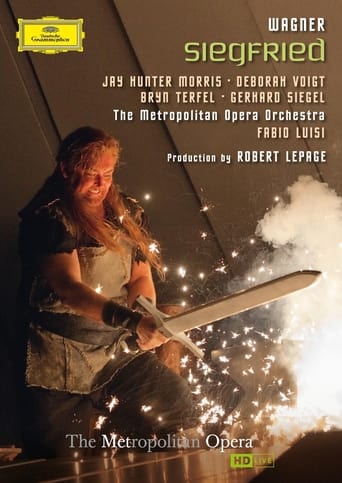 Siegfried
 Vienna Opera Gala With Elina Garança, Sonya Yoncheva, Benjamin Bernheim and Jonas Kaufmann
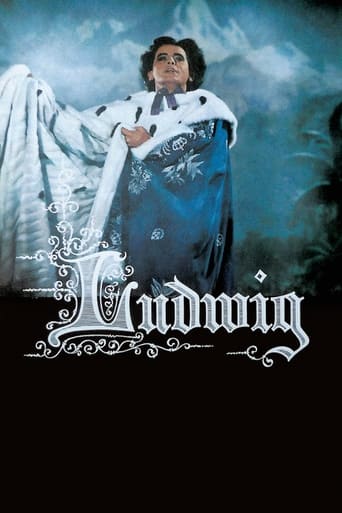 Ludwig – Requiem for a Virgin King
 The Ring Cycle: Die Walkure
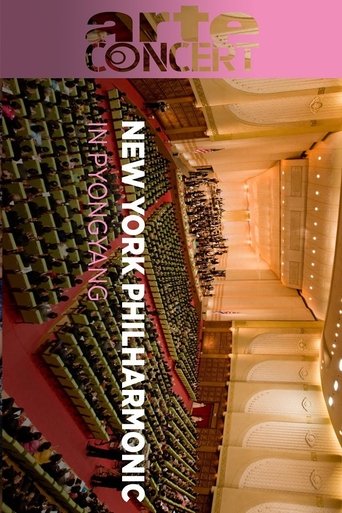 The New York Philharmonic Orchestra in Pyongyang Great moments in music
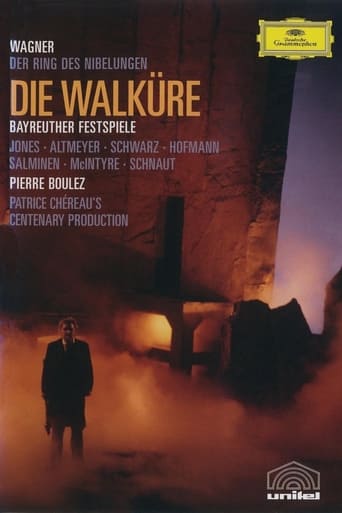 Wagner: Die Walküre
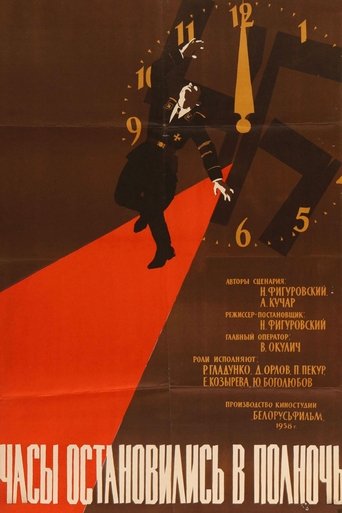 The Clock Stopped at Midnight
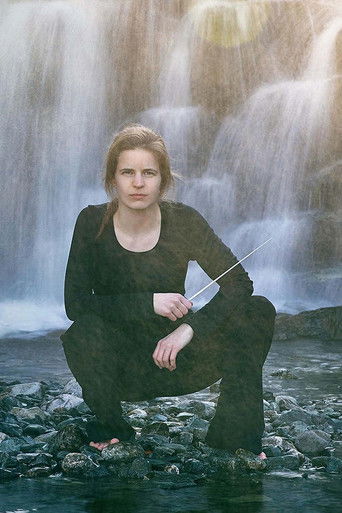 Tabita Berglund and Julian Steckel
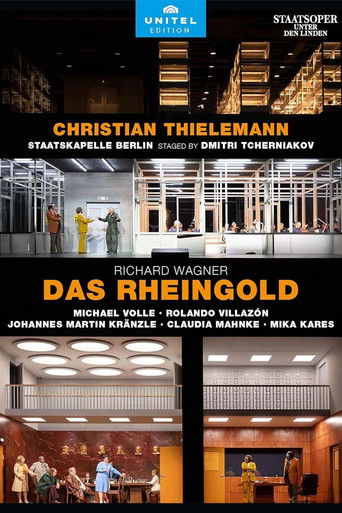 Richard Wagner: Das Rheingold - Aus der Staatsoper Unter den Linden, Berlin
Richard Wagner series
Frequently asked questions
- What are Richard Wagner's best-known movies and series?
- Richard Wagner is best known for Great Performances (1971), Nosferatu the Vampyre (1979), Manhattan Murder Mystery (1993), Ludwig (1973), Die Nibelungen: Siegfried (1924), ranked by how popular each title is on TMDB.
- When was Richard Wagner born?
- Richard Wagner was born on 22 May 1813 in Leipzig, Germany.
Which Richard Wagner title should you watch?
Say what you are in the mood for and Free Movies Baby picks one, with where to watch it.
Ask Free Movies Baby