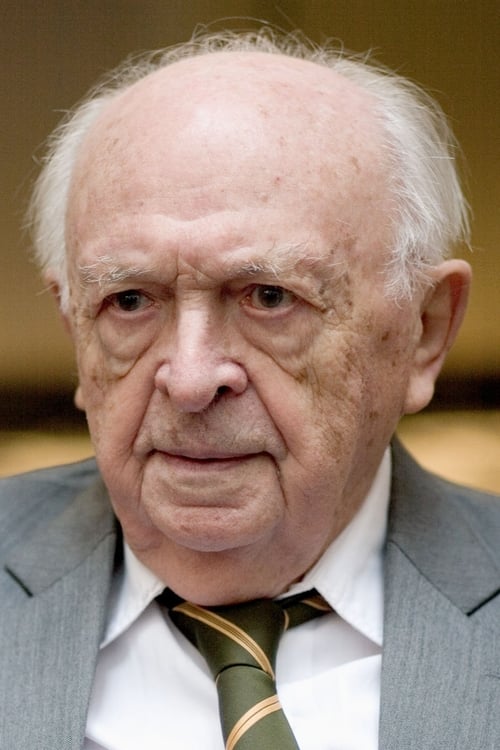
Otakar Vávra: movies and series
- Known for
- Directing
- Born
- 28 February 1911, Hradec Králové, Austria-Hungary [now Czech Republic]
- Died
- 15 September 2011
Otakar Vávra (28 February 1911 – 15 September 2011) was a Czech film director, screenwriter and pedagogue. Vávra attended universities in Brno and Prague, where he studied architecture. During 1929–30, while still a student, he participated in the making of a handful of documentaries and wrote movie scripts. In 1931, he produced the experimental film Světlo proniká tmou. The first movie he directed was 1937's Panenství. His 1938 film The Merry Wives was praised in Variety for "first-rate direction, a salty yarn and elaborate production effort", even though it had undergone certain cuts because it was considered too "ribald" by American censors. Vávra was a member of the Communist Party from 1945 to 1989. After the Communists seized power in 1948, Vávra adapted quickly to the new political climate and produced films praising the current regime and supporting the new, official interpretation of the past. In the 1950s he filmed the "Hussite Trilogy", one of his most famous works, consisting of Jan Hus (1954), Jan Žižka (1955) and Against All (1957).[2] In the 1960s, Vávra made his most celebrated films Zlatá reneta (1965), Romance for Bugle (1966) and Witchhammer (1969). Romance for Bugle was entered into the 5th Moscow International Film Festival where it won the Special Silver Prize. In the 1970s Vávra produced his "War Trilogy" consisting of semi-documentary movies Dny zrady, Sokolovo and Osvobození Prahy, all being heavily influenced by communist propaganda. The film Dny zrady (Days of Betrayal, 1973) was entered into the 8th Moscow International Film Festival where it won a Diploma. In 1979 he was a member of the jury at the 11th Moscow International Film Festival. Since the 1950s Vávra taught film direction at Film and TV School of the Academy of Performing Arts in Prague. Among his students were several directors of the "Czech New Wave".
Otakar Vávra movies
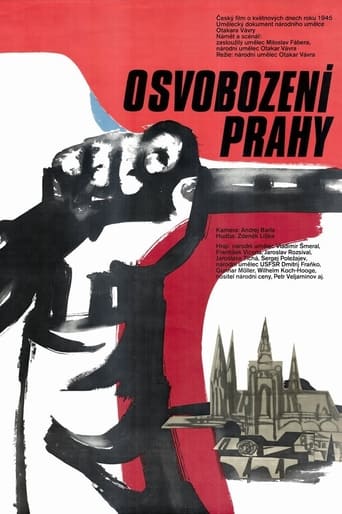 The Liberation of Prague
 Sokolovo
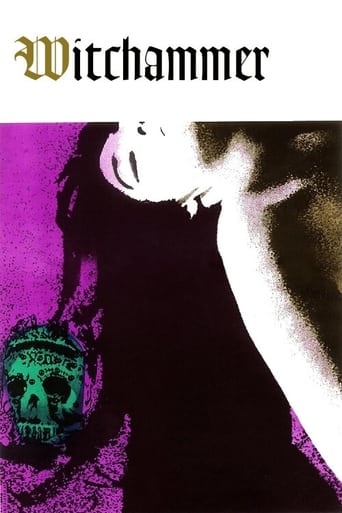 Witchhammer
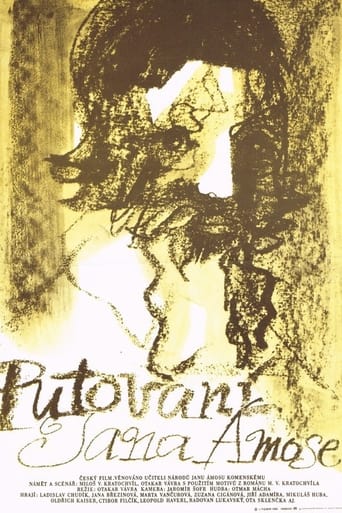 Putování Jana Amose
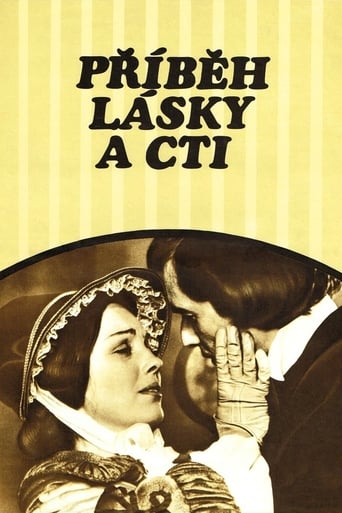 A Story of Love and Honor
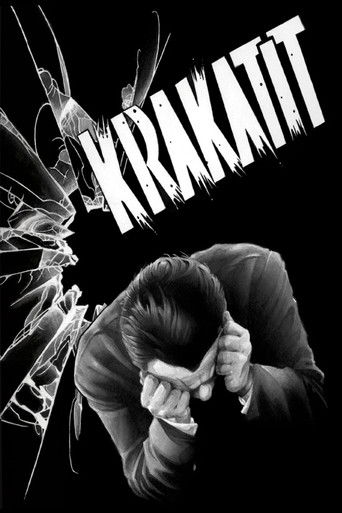 Krakatit
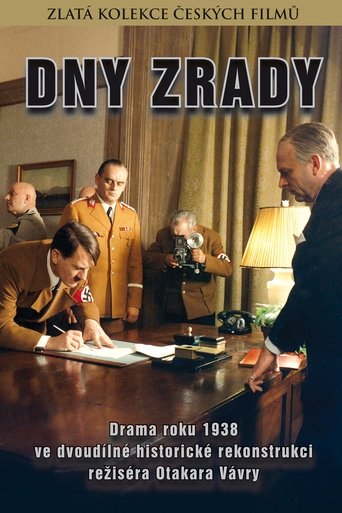 Days of Betrayal
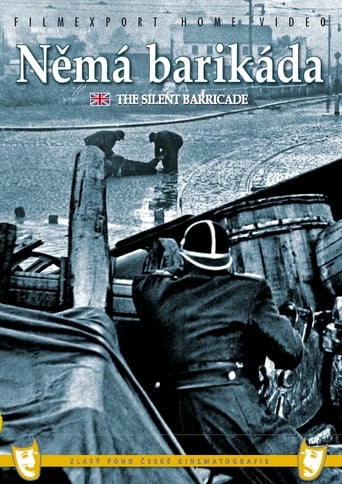 Silent Barricade
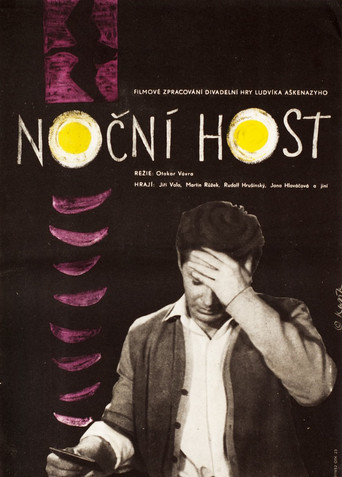 The Night Guest
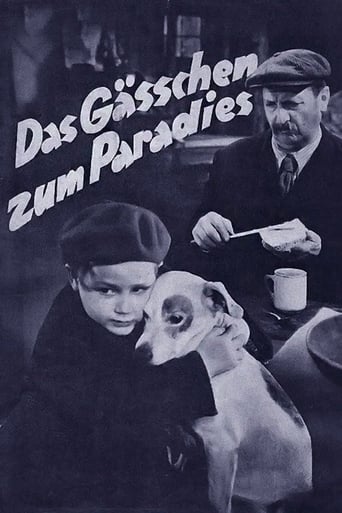 A Little Street in Paradise
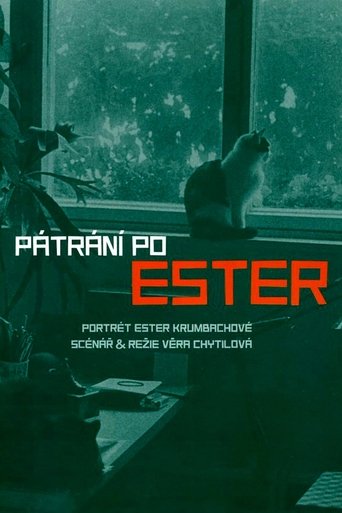 Searching for Ester
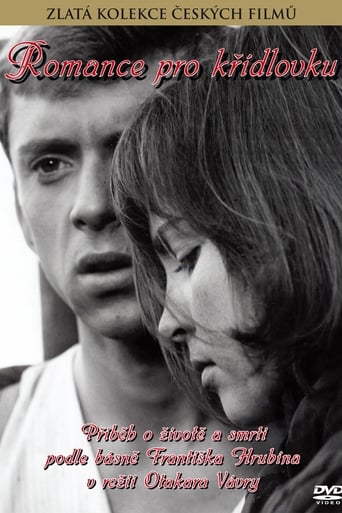 Romance for Bugle
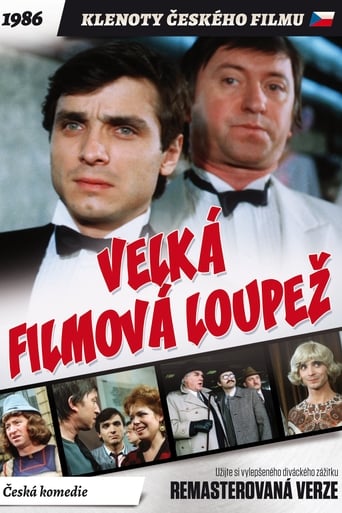 The Great Movie Robbery
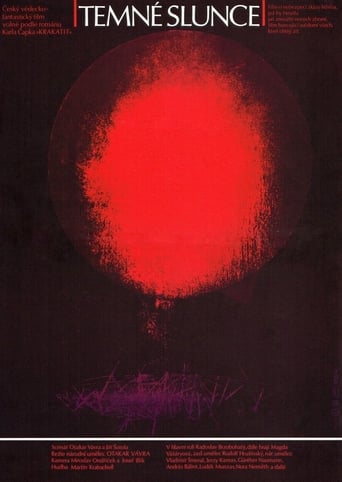 Dark Sun
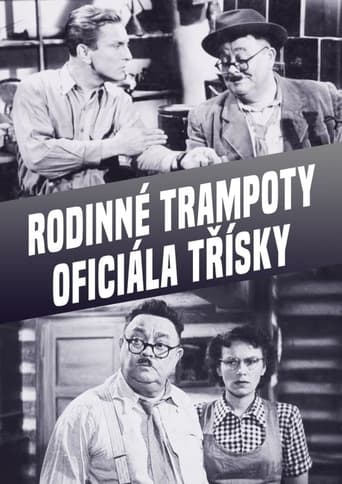 Rodinné trampoty oficiála Tříšky
 Morality Above All Else
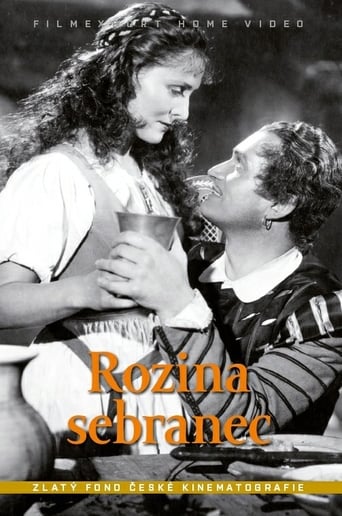 Rozina the Love Child
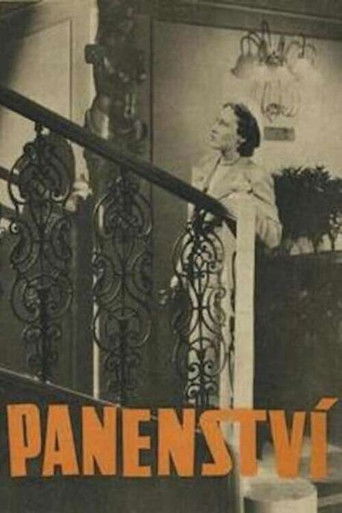 Virginity
 CzechMate: In Search of Jiří Menzel
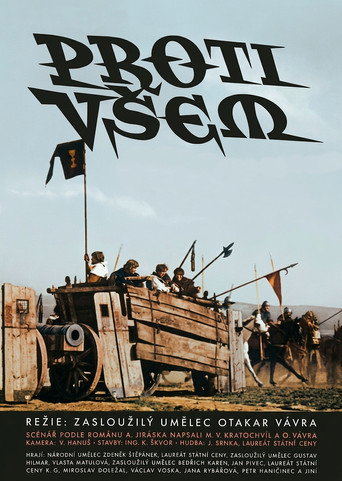 Against All
 Občan Brych
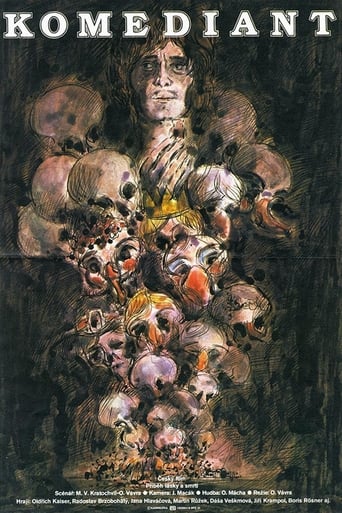 Komediant
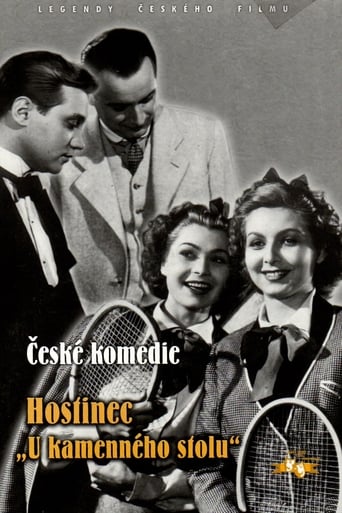 Hostinec „U kamenného stolu“
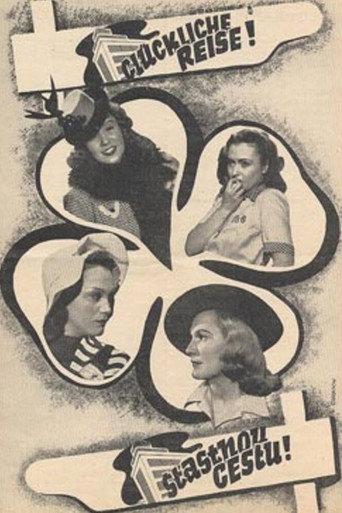 Happy Journey
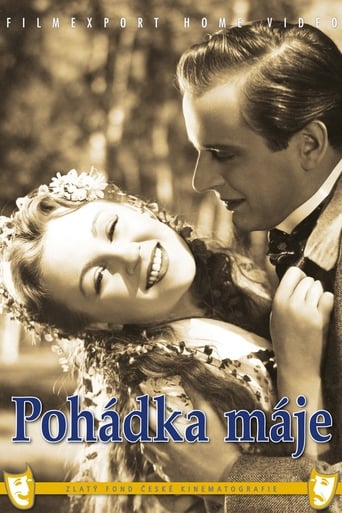 May Fairy Tale
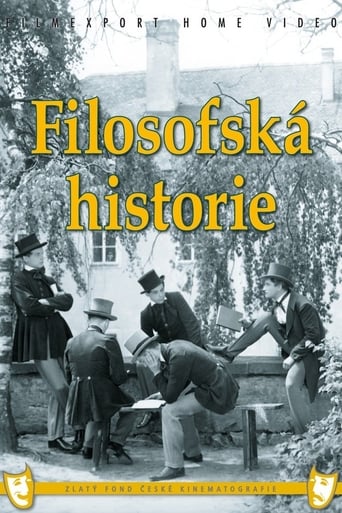 History of Philosophy
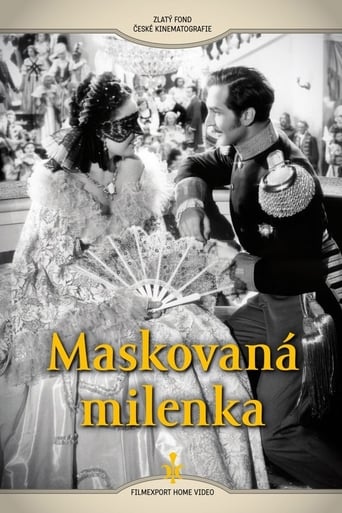 The Masked Lover
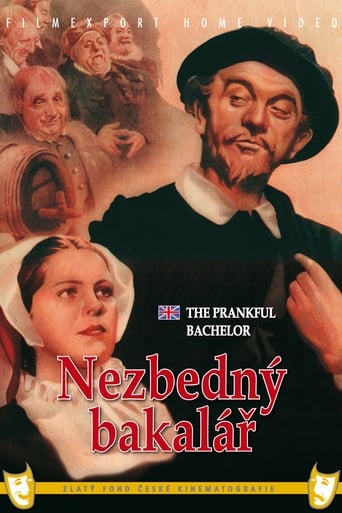 The Adventurous Bachelor
 Three Men in the Snow
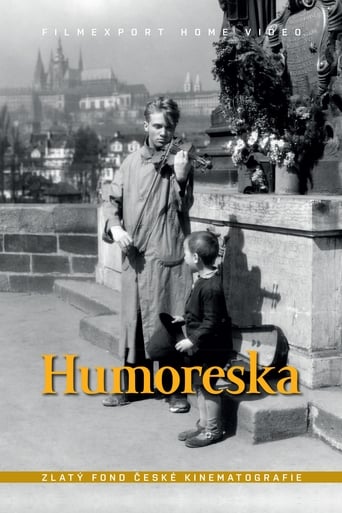 Humoreska
Frequently asked questions
- What are Otakar Vávra's best-known movies and series?
- Otakar Vávra is best known for The Liberation of Prague (1977), Sokolovo (1975), Witchhammer (1970), Putování Jana Amose (1983), A Story of Love and Honor (1978), ranked by how popular each title is on TMDB.
- When was Otakar Vávra born?
- Otakar Vávra was born on 28 February 1911 in Hradec Králové, Austria-Hungary [now Czech Republic].
Which Otakar Vávra title should you watch?
Say what you are in the mood for and Free Movies Baby picks one, with where to watch it.
Ask Free Movies Baby