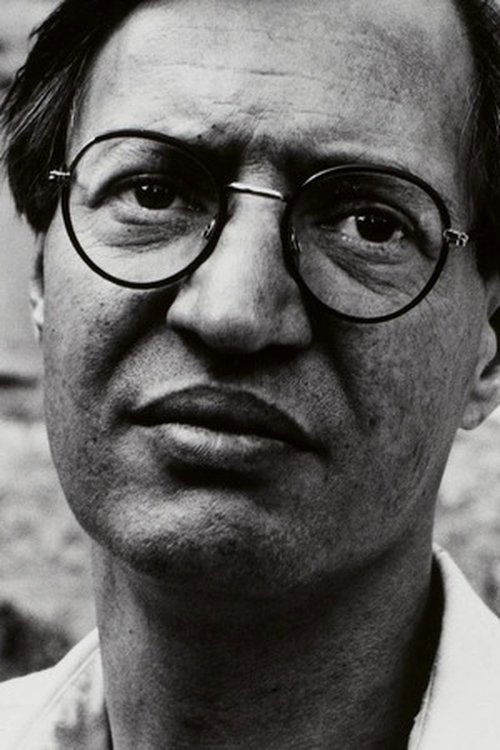
Philippe Clévenot: movies and series
- Known for
- Acting
- Born
- 10 September 1942, Paris, France
- Died
- 18 October 2001
Philippe Clévenot ranks among the greatest actors of a generation who, in the 1960s and 1970s, embarked on the adventure of collective creations and sought to reach a new, popular audience, following in the footsteps of Jean Vilar or Ariane Mnouchkine. From 1962 to 1965, he studied at the Centre dramatique de l’Est, then directed by Hubert Gignoux, Paul Lefèvre, and Claude Petitpierre. At the same time, he continued studying the organ, harpsichord, and piano. After two years of military service (1965–1967), during which he learned German, he joined the Maison de la Culture in Bourges, directed by Gabriel Monnet. In 1971, he took part in the early days of the Théâtre de l’Espérance with Jean Jourdheuil and Jean‑Pierre Vincent, then in 1976 joined the school of the TNS (the higher school of dramatic arts in Strasbourg), also directed by Jean‑Pierre Vincent. From 1985 to 1987, he was a resident actor at the Comédie‑Française. Philippe Clévenot performed both classical and contemporary repertoire. He appeared in The Misanthrope by Molière and Macbeth by Shakespeare (both directed by Jean‑Pierre Vincent); in The Prince of Homburg by Kleist (directed by Matthias Langhoff) and The Broken Jug by the same author (directed by Bernard Sobel); in The School for Wives by Molière (directed by Bernard Sobel); Rameau’s Nephew by Diderot (directed by Jean‑Marie Simon); in Artaud Mômo and The Vieux‑Colombier Lecture as well as The True Story of Artaud Mômo by Antonin Artaud, in which he portrayed the author; in The Sea Wall by Marguerite Duras; In the Jungle of Cities by Brecht (directed by Stéphane Braunschweig); The Life of the Egoist Fätzer, also by Brecht (directed by Bernard Sobel); Rumor on Wall Street by Bernard Chatellier, based on Melville’s Bartleby (directed by Bérangère Bonvoisin); and Pioneers in Ingolstadt by Marieluise Fleisser. As a director, he notably staged Anna Christie by Eugene O’Neill in Geneva in 2000 — a production later revived at the Théâtre Gérard Philipe in Villeurbanne in 2001. He also wrote Celle qui ment, inspired by the famous Italian mystic Angela of Foligno. His first film role was offered by René Allio in 1970 in Les Camisards. He later worked with numerous filmmakers, including Bertrand Blier, Patrice Leconte, and Jean‑Jacques Beineix. One of his final film appearances was in Disparus (1998), the first historical and political feature by young director Gilles Bourdos.
Philippe Clévenot movies
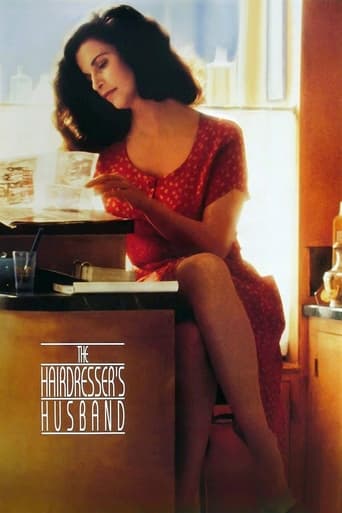 The Hairdresser's Husband
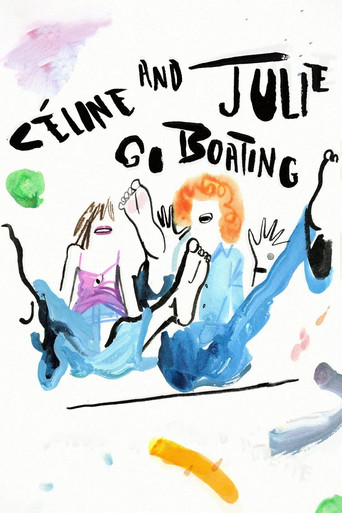 Céline and Julie Go Boating
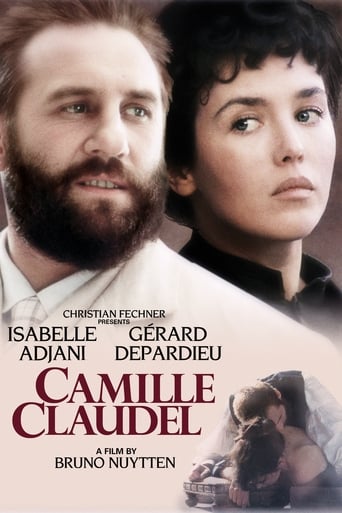 Camille Claudel
 West Indies: The Fugitive Slaves of Liberty
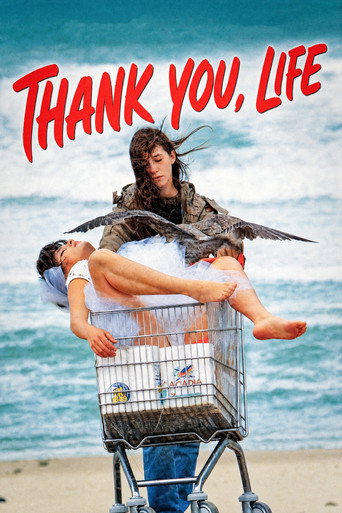 Thank You, Life
 The Monk
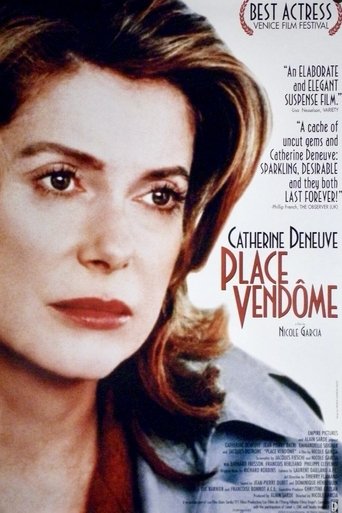 Place Vendôme
 Richelieu ou La journée des dupes
 Swing troubadour
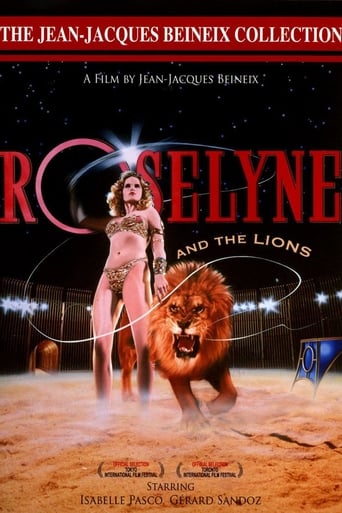 Roselyne and the Lions
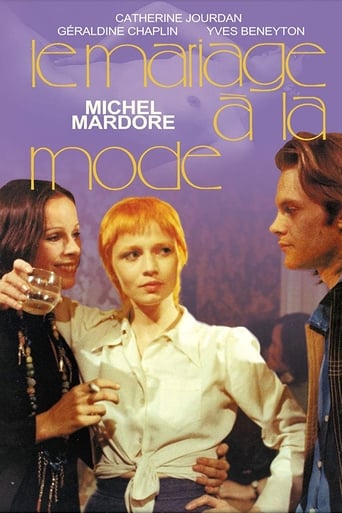 Marriage a la Mode
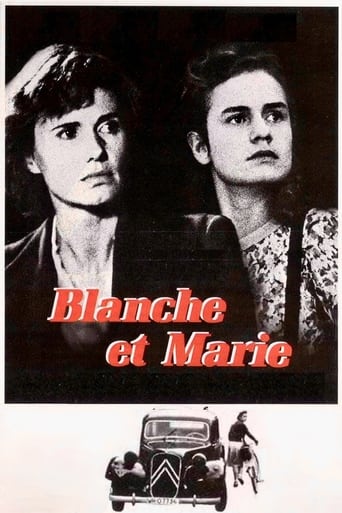 Blanche and Marie
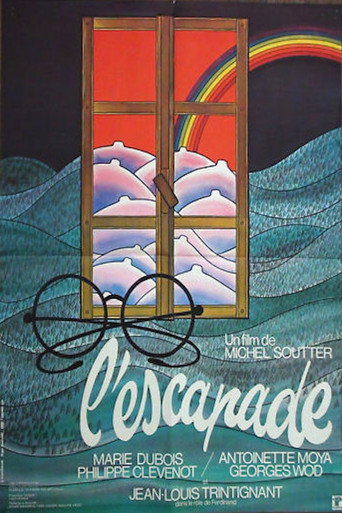 Escapade
 Deep Water
 The Sidewalks of Saturn
 La Chanson du mal-aimé
 Malraux, the Daring Dreamer
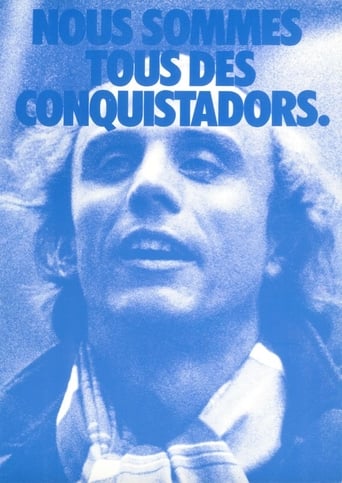 The Conquistadores
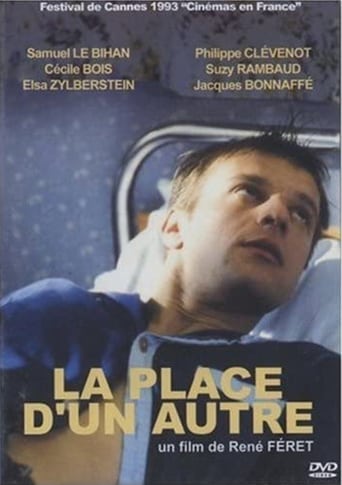 The Place of Another
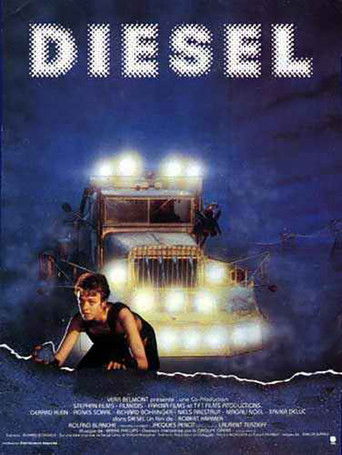 Diesel
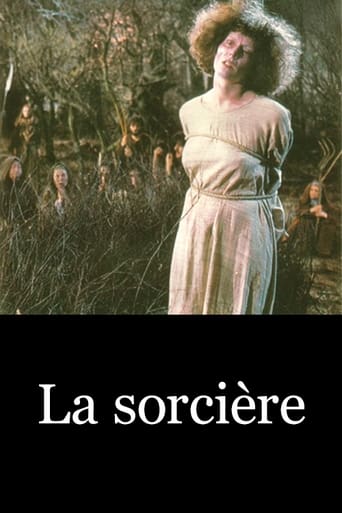 The Sorceress
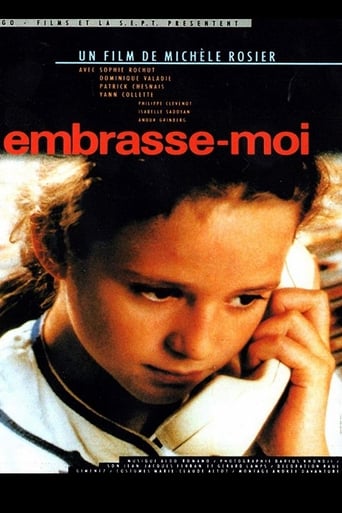 Kiss Me
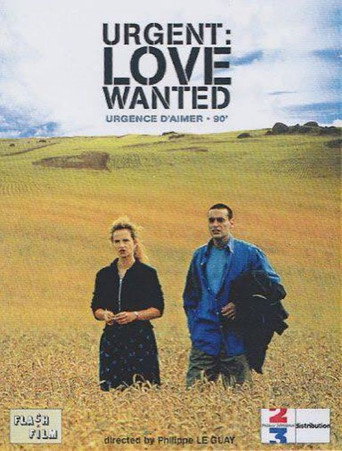 Urgence d'aimer
 Cocktail Molotov
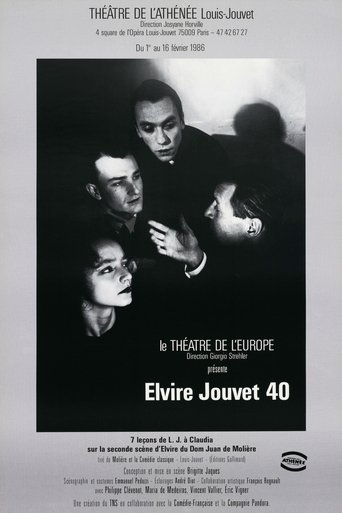 Elvire Jouvet 40
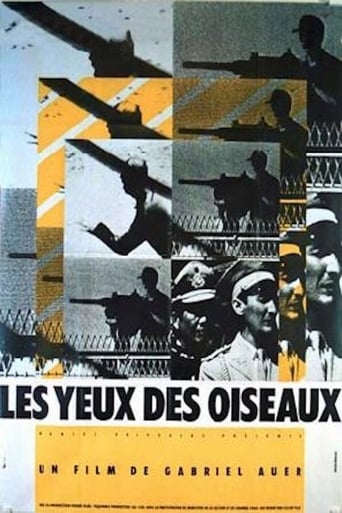 The Eyes of the Birds
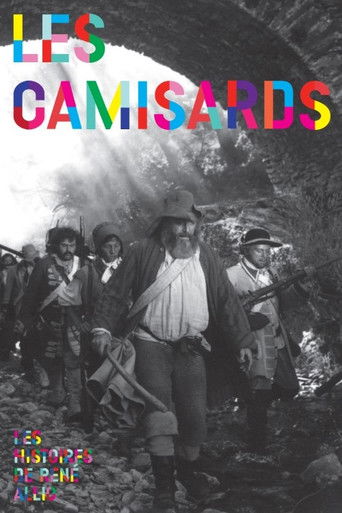 The French Calvinists
 I Have You Under My Skin
 Eden miseria
 Les Deux Fragonard
Frequently asked questions
- What are Philippe Clévenot's best-known movies and series?
- Philippe Clévenot is best known for The Hairdresser's Husband (1990), Céline and Julie Go Boating (1974), Camille Claudel (1988), West Indies: The Fugitive Slaves of Liberty (1979), Thank You, Life (1991), ranked by how popular each title is on TMDB.
- When was Philippe Clévenot born?
- Philippe Clévenot was born on 10 September 1942 in Paris, France.
Which Philippe Clévenot title should you watch?
Say what you are in the mood for and Free Movies Baby picks one, with where to watch it.
Ask Free Movies Baby