
Katrin Seybold: movies and series
- Known for
- Directing
- Born
- 14 July 1943
- Died
- 27 June 2012
Katrin Seybold, born on July 14, 1943, in Bromberg (now Bydgoszcz), Poland, grew up in Stuttgart and studied art history in Tübingen from 1964. She gained her first practical film experience through the experimental film circle at Stuttgart University. In 1968, she dropped out of college and moved to Berlin, where she became politically active: she lived in the women's commune on Türkenstraße and participated in student protests, squatting actions, and the founding of an anti-authoritarian kindergarten. In 1970, she co-directed her first short documentary film, Die wilden Tiere – Rote Knastwoche (The Wild Animals – Red Prison Week), with Gerd Conradt, one of the 18 students expelled from the dffb, for Rechtshilfe München (Legal Aid Munich). The following year, she applied unsuccessfully to the dffb. In the following years, Seybold worked for the Deutsche Kinemathek foundation and TU Berlin, and gained further film experience as an actress and assistant director on films by Thomas Mauch, Hans Rolf Strobel, and Edgar Reitz. After breaking with her former employer firm Eikon in 1979 for political reasons, Seybold founded her own production company and, together with Peter Krieg, launched the filmmakers' distribution cooperative. During her first production, “Schimpft uns nicht Zi.” (Don't Call Us Gypsies, 1980; for the TV youth magazine “Direkt”), about discrimination against young Sinti, she met Sinteza Melanie Splita. By 1987, the two women had made three more documentaries about the Sinti, with Splita mostly acting as a consultant, mediator, and author: “Wir sind Sintikinder und keine Zi.r” (We Are Sinti Children and Not Gypsies, 1981), “Es ging Tag und Nacht, liebes Kind. Zi. (Sinti) in Auschwitz” (It Went Day and Night, Dear Child. Gypsies (Sinti) in Auschwitz, 1982) and “Das falsche Wort. Wiedergutmachung an Zi. (Sinte) in Deutschland?” (The Wrong Word. Reparations for Gypsies (Sinti) in Germany?, 1987). At the same time, Seybold became involved in the AG Dokumentarfilm (Documentary Film Working Group) in 1981 and was appointed as its representative on the selection committee for state film funding. But after she publicly denounced massive political influence by the CSU in funding decisions, she was excluded from the committee. According to her own statement, she received no film funding for almost 20 years as a result. With her options so limited, Seybold worked primarily for television. She shot critical reports for the program “Kontakte” and revealing treatises on the relationship of Germans to Luther (“Ein wild, roh, tobend Volk,” 1983) and Frederick the Great (“Gefahr für den König,” 1986).
Katrin Seybold movies
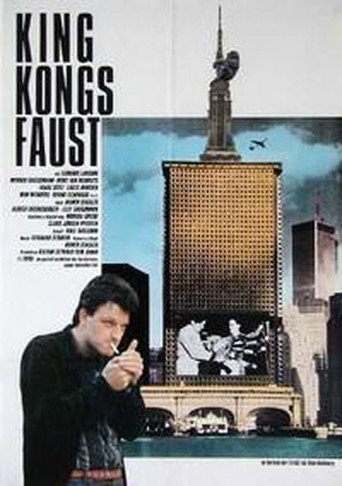 King Kongs Faust
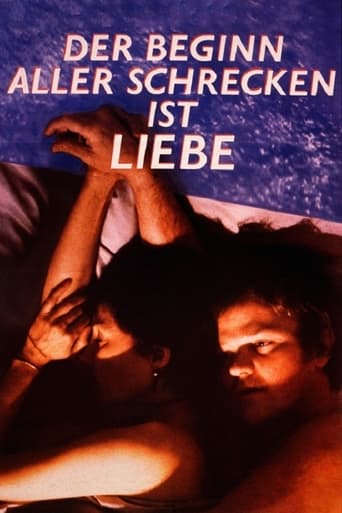 Love Is the Beginning of All Terror
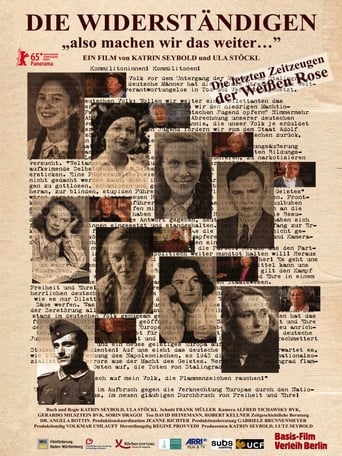 Die Widerständigen "also machen wir das weiter"
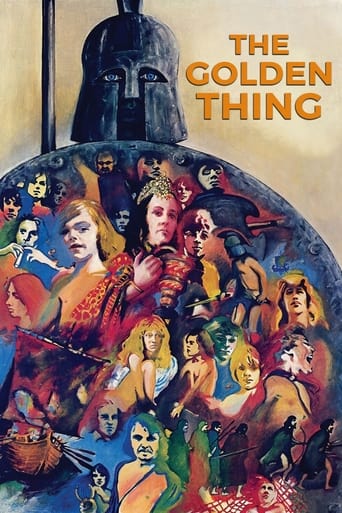 The Golden Thing
 Schimpft uns nicht Zigeuner!
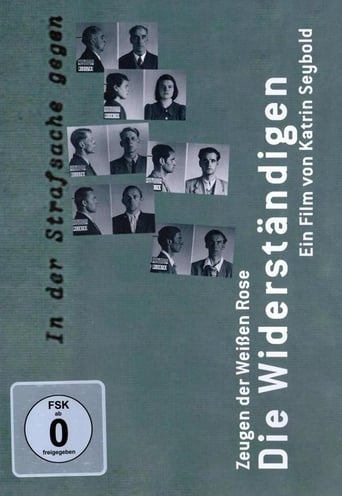 Die Widerständigen - Zeugen der Weißen Rose
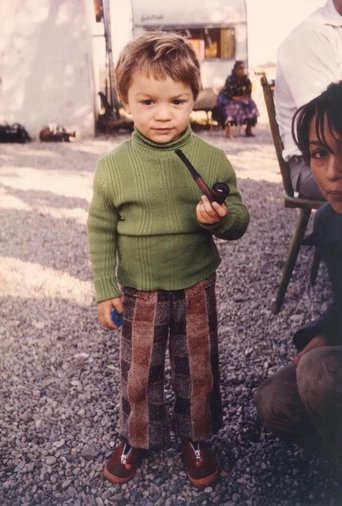 Wir sind Sintikinder und keine Zigeuner
 Die wilden Tiere
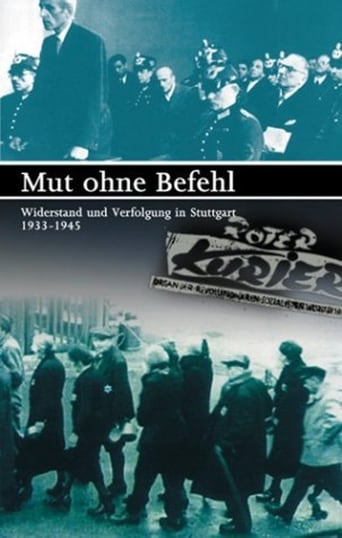 Mut ohne Befehl - Widerstand und Verfolgung in Stuttgart 1933-1945
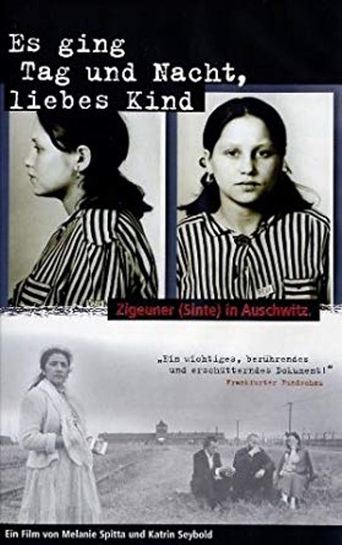 Es ging Tag und Nacht, liebes Kind.
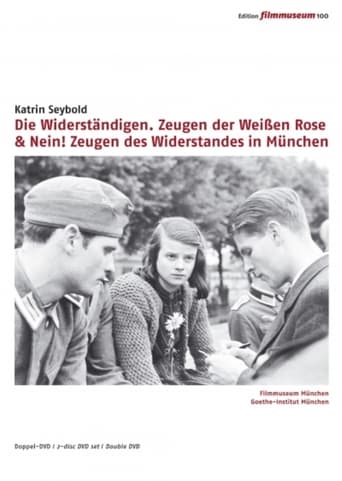 Ludwig Koch - Der mutige Weg eines politischen Menschen
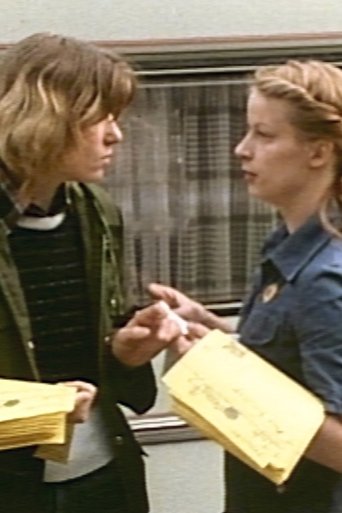 Scharnhorst Women’s Initiative
- Nein! Zeugen des Widerstandes in München 1933-1945
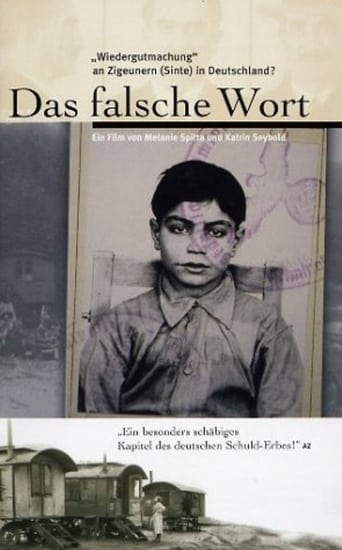 The Lie
Frequently asked questions
- What are Katrin Seybold's best-known movies and series?
- Katrin Seybold is best known for King Kongs Faust (1985), Love Is the Beginning of All Terror (1984), Die Widerständigen "also machen wir das weiter" (2015), The Golden Thing (1972), Schimpft uns nicht Zigeuner! (1980), ranked by how popular each title is on TMDB.
- When was Katrin Seybold born?
- Katrin Seybold was born on 14 July 1943.
Which Katrin Seybold title should you watch?
Say what you are in the mood for and Free Movies Baby picks one, with where to watch it.
Ask Free Movies Baby