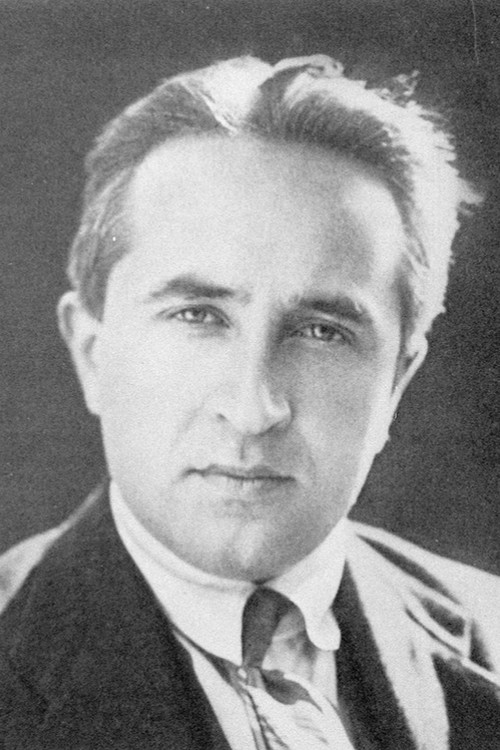
Lev Kuleshov: movies and series
- Known for
- Directing
- Born
- 13 January 1899, Tambov, Russian Empire [now Russia]
- Died
- 29 March 1970
Lev Vladimirovich Kuleshov was a Russian and Soviet filmmaker and film theorist, one of the founders of the world's first film school, the Moscow Film School. People's Artist of the RSFSR (1969). Lev Kuleshov was born in 1899 into an intellectual Russian family. At the time he was born, the family became financially broke, lost their estate and moved to Tambov, living a modest life. In 1911 his father died; three years later Lev and his mother moved to Moscow where his elder brother was studying and working as an engineer. Lev Kuleshov decided to follow the steps of his father and entered the Moscow School of Painting, although he didn't finish it. In 1916 he applied to work at the film company led by Aleksandr Khanzhonkov. He produced scenery several pictures but with time he became more interested in film theory. He co-directed his first movie Twilight in 1917. His next film was released under the Soviet patronage. During the 1918-1920 he covered the Russian Civil War with a documentary crew. In 1919 he headed the first Soviet film courses at the National Film School. Kuleshov may well be the very first film theorist as he was a leader in the Soviet montage theory — developing his theories of editing before those of Sergei Eisenstein (briefly a student of Kuleshov). For Kuleshov, the essence of the cinema was editing, the juxtaposition of one shot with another. To illustrate this principle, he created what has come to be known as the Kuleshov Effect. In this now-famous editing exercise, shots of an actor were intercut with various meaningful images (a casket, a bowl of soup, etc.) in order to show how editing changes viewers' interpretations of images. In addition to his theoretical and teaching work, Kuleshov also directed a number of feature-length films. Among his most notable works is an action-comedy The Extraordinary Adventures of Mr. West in the Land of the Bolsheviks (1924), a psychological drama By the Law (1926) adapted from the short story by Jack London and a biographical drama The Great Consoler (1933) based on O. Henry's life and works. After directing his last film in 1943, Kuleshov served as an artistic director and an academic rector at VGIK where he worked for the next 25 years. Lev Kuleshov died in Moscow in 1970. He was buried at the Novodevichy Cemetery. He was survived by his wife Aleksandra Khokhlova (1897—1985) — an actress, film director and educator and her son from the first marriage.
Lev Kuleshov movies
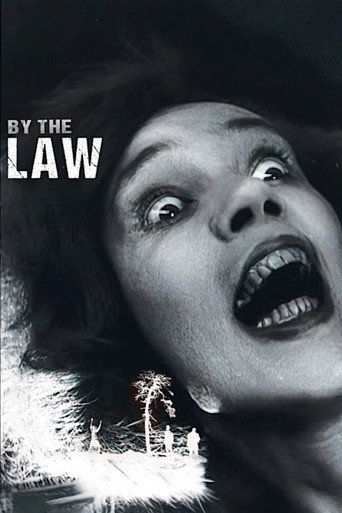 By the Law
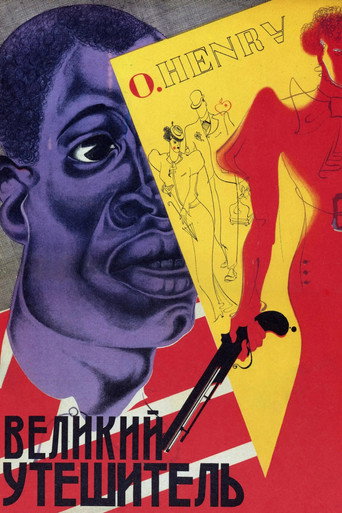 The Great Consoler
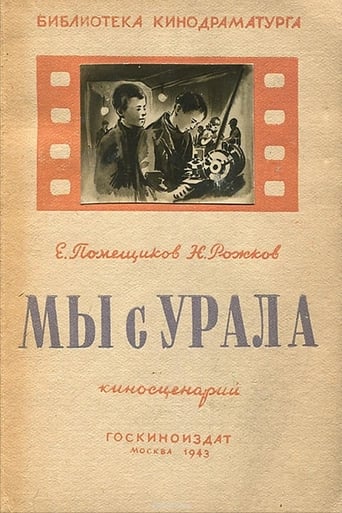 We from the Urals
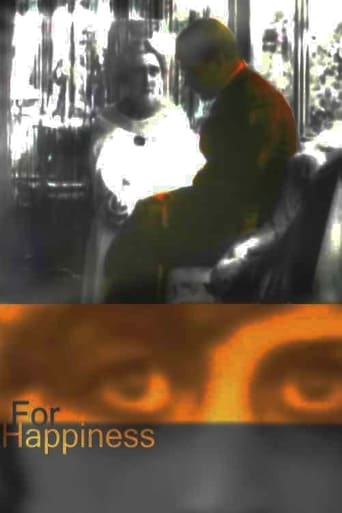 For Happiness
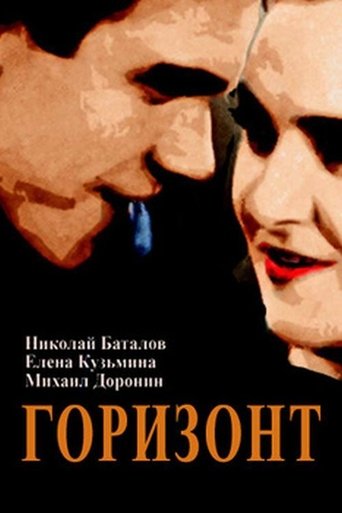 Horizon
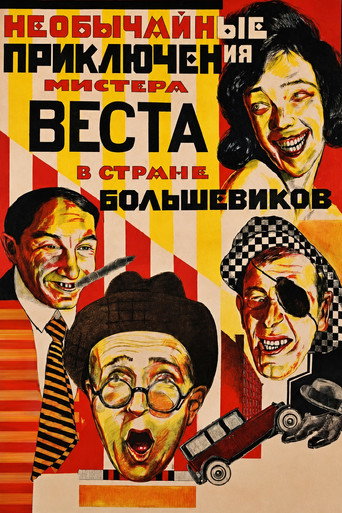 The Extraordinary Adventures of Mr. West in the Land of the Bolsheviks
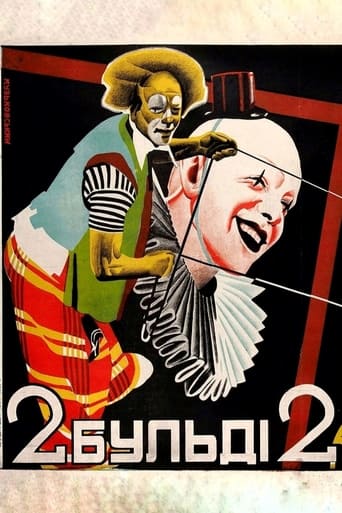 Two-Buldi-Two
 Your Friend
 The Death Ray
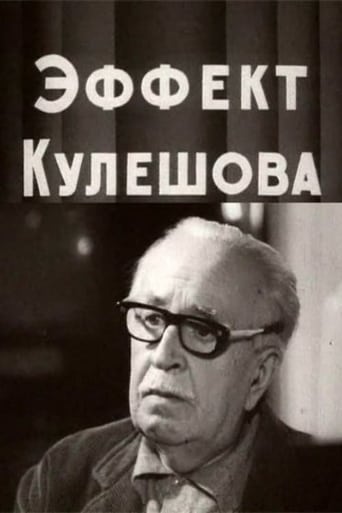 The Kuleshov Effect
 Our Cinema
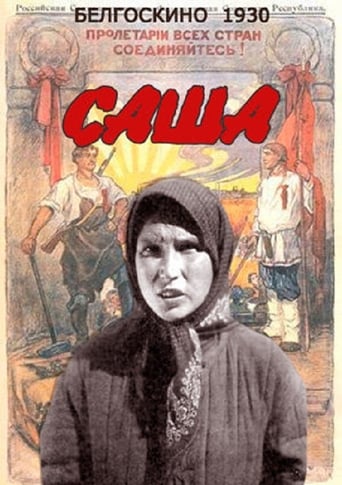 Sasha
 Young Partisans
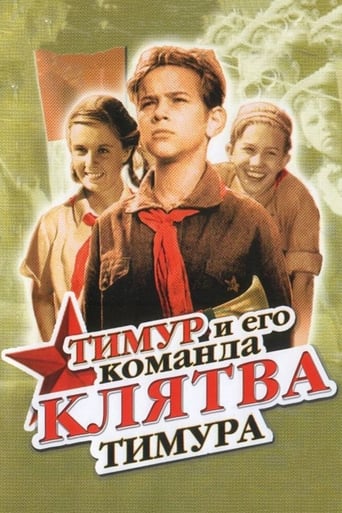 Timur's Oath
 Engineer Prite's Project
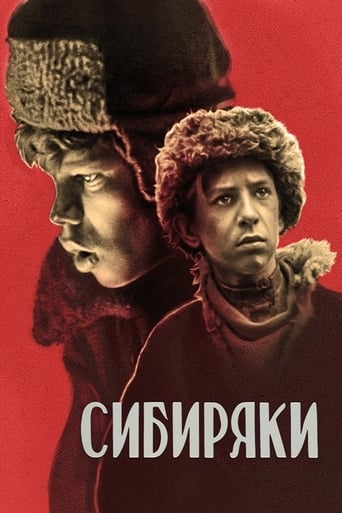 Siberians
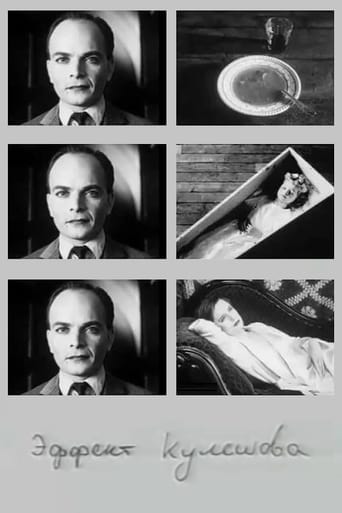 Kuleshov Effect
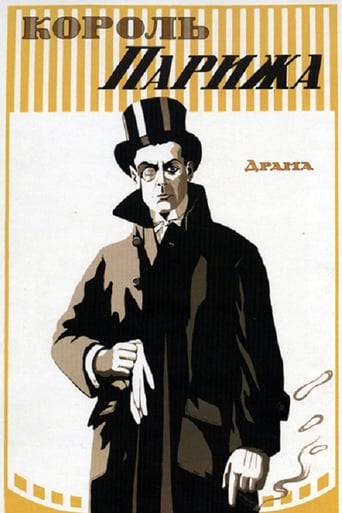 The King of Paris
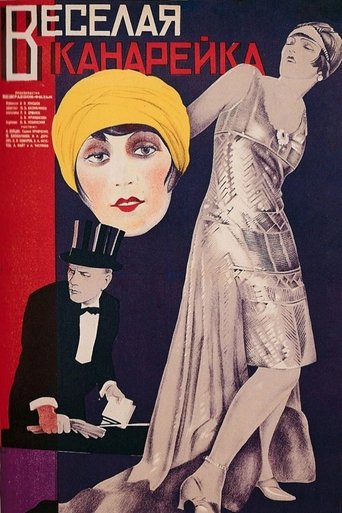 The Happy Canary
 Miss Meri
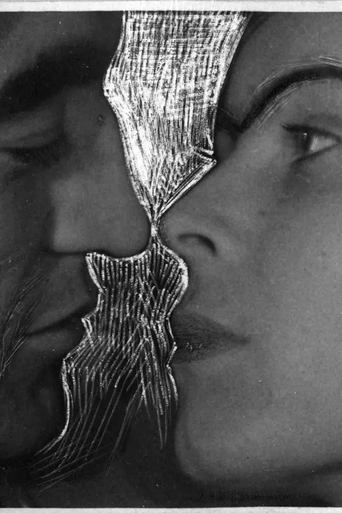 Dokhunda
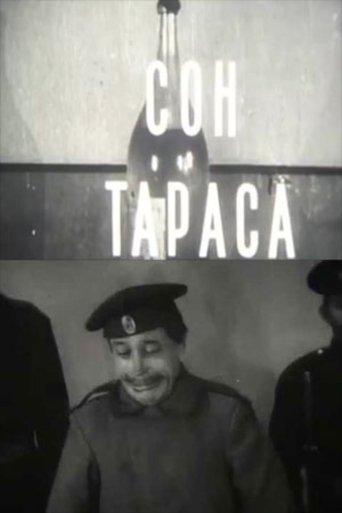 Taras's Dream
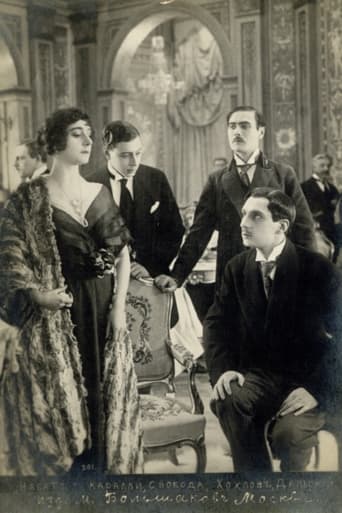 The Alarm
 Smelchak
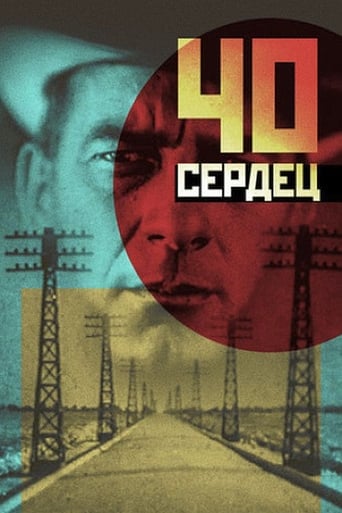 Forty Hearts
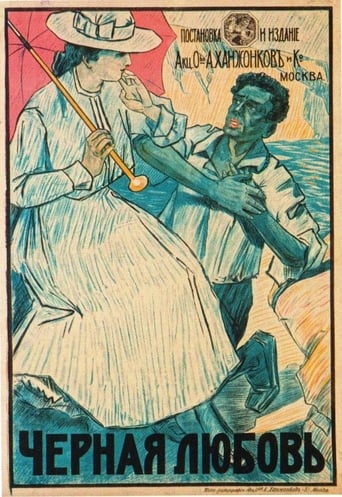 Black Love
 Incident on a Volcano
 The Exposure of the Relics of Sergius of Radonezh
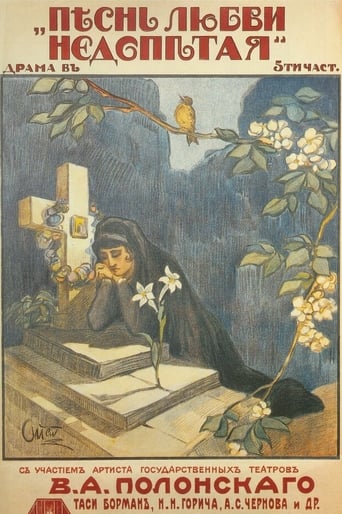 Unfinished Love Song
 Boulevard Slush
Frequently asked questions
- What are Lev Kuleshov's best-known movies and series?
- Lev Kuleshov is best known for By the Law (1926), The Great Consoler (1933), We from the Urals (1943), For Happiness (1917), Horizon (1932), ranked by how popular each title is on TMDB.
- When was Lev Kuleshov born?
- Lev Kuleshov was born on 13 January 1899 in Tambov, Russian Empire [now Russia].
Which Lev Kuleshov title should you watch?
Say what you are in the mood for and Free Movies Baby picks one, with where to watch it.
Ask Free Movies Baby