Shûsaku Arakawa: movies and series
- Known for
- Directing
- Born
- 6 July 1936, Nagoya, Japan
- Died
- 19 May 2010
Arakawa (Shūsaku Arakawa; b. 1936, Nagoya, Aichi Prefecture, Japan – d. 2010, New York) was an artist and architect who had a personal and artistic partnership with Madeline Gins that spanned more than four decades. He was one of the founding members of the Japanese avant-garde art collective Neo Dadaism Organizers and exhibited at the Yomiuri Independent exhibition from 1958 to 1961, an annual watershed event for postwar Japanese art. Arakawa arrived in New York in the end of 1961 and quickly rose to fame as one of the earliest practitioners of the international conceptual art movement of the 1960s. He represented Japan in XXXV Venice Biennale (1970) and was included in Documenta IV (1968) and Documenta VI (1977). His work has been shown extensively around the world and is held by numerous museum collections world-wide, including the Metropolitan Museum of Art, New York; Museum of Modern Art, New York; Centre Georges Pompidou, Paris; and the National Museum of Modern Art, Tokyo.
Shûsaku Arakawa movies
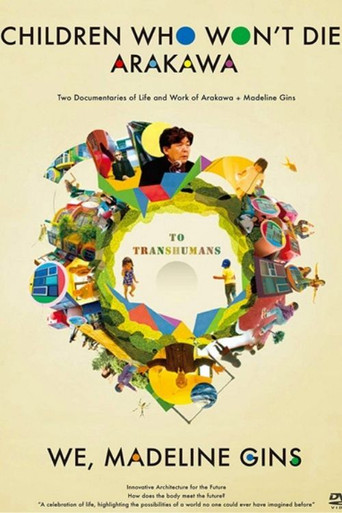 Children Who Won’t Die
 Art, Life and Opinions: Shūsaku Arakawa
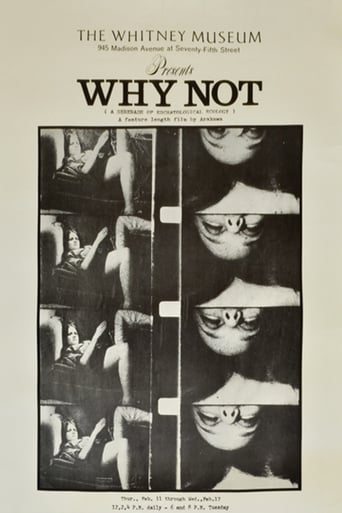 Why Not: A Serenade of Eschatological Ecology
 Life Extended
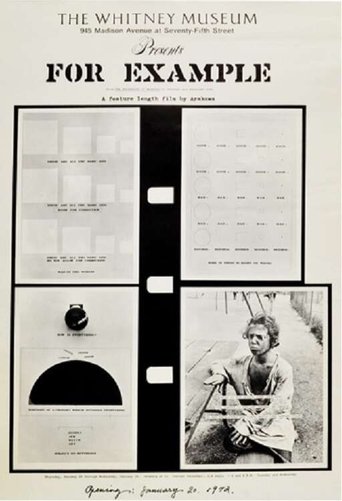 For Example: A Critique of Never
Frequently asked questions
- What are Shûsaku Arakawa's best-known movies and series?
- Shûsaku Arakawa is best known for Children Who Won’t Die (2013), Art, Life and Opinions: Shūsaku Arakawa, Why Not: A Serenade of Eschatological Ecology (1970), Life Extended (2009), For Example: A Critique of Never (1971), ranked by how popular each title is on TMDB.
- When was Shûsaku Arakawa born?
- Shûsaku Arakawa was born on 6 July 1936 in Nagoya, Japan.
Which Shûsaku Arakawa title should you watch?
Say what you are in the mood for and Free Movies Baby picks one, with where to watch it.
Ask Free Movies Baby