
Faten Hamama: movies and series
- Known for
- Acting
- Born
- 27 May 1931, El Mansoura, Egypt
- Died
- 17 January 2015
Faten Hamama (May 27, 1931 - January 17, 2015) was an Egyptian actress and producer. Dubbed "The Lady of the Arabic Screen", she was born in El Mansoura, Egypt. Her legendary journey started as a secret statement between a six-year-old girl and her father after they watched a film in their neighborhood theater, at which leading actress and producer Asya Dagher was present. Faten told her father that she felt the audience was applauding her as the leading actress, and her father hugged her with a vision of helping his daughter become a movie star. She won a contest for the most beautiful child in Egypt, and her dad sent her picture to director Muhammad Karim (a pioneer of Egyptian cinema). Karim was looking for a child for his new film with Egyptian musician Mohamed Abdel Wahab. Faten auditioned for and got a role in this movie, Yom said (1940) ("A Happy Day"). She impressed the filmmakers so much during shooting that she was actually given more lines and scenes in the picture than were scripted initially for her. Karim put her under contract, and four years later he gave her a role in a film with Mohamed Abdel Wahab again, Russassa fil Kalb (1944) ("A Bullet in the Heart"). With her third movie with Karim, Dunia (1946), Faten showed filmmakers and audiences alike that she was an actress ready for bigger roles. Her father, along with her family, moved to Cairo to help her in her career. She also began studying her craft at the High Institute of Acting in 1946. Faten left Egypt from 1966-1971 because she resisted the political pressure that was applied to her. She divided her time between Lebanon and London, England. During this period Egyptian President Gamal Abdel Nasser asked some prominent critics and writers to try to persuade her to return to Egypt, saying that "Faten Hamama is a national treasure". Her return to Egypt in 1971 breathed life back into Egyptian cinema. She insisted that her films reflect the values of society through family relationships. Her first film upon return was Witch (a short film) with Salah Zulfikar. Her role in Emberatoriet Meem (1972) ("Empire M") as a widow with six children and the struggles she endured to raise them made the film a success both critically and financially, and she earned a special award from an organization in the Soviet Union when the film was shown at the Moscow International Film Festival. Her film Orid Hallan (1975) ("I Need a Solution") which was produced by Salah Zulfikar was not only a big hit but resulted in changes to Egyptian marriage and divorce laws. Faten Hamama is the fourth Pyramid in Egyptian cinema, a legend in her platinum anniversary, the diamond that remained shining and kept glowing over the decades on the silver screen.
Faten Hamama movies
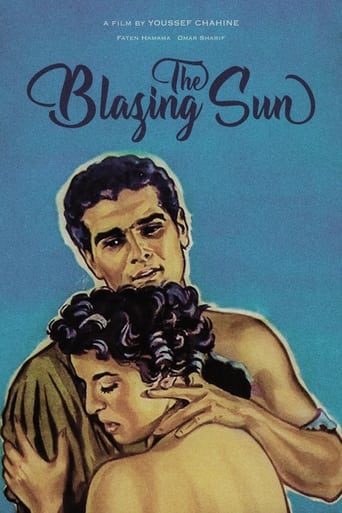 The Blazing Sun
 Struggle in the Harbor
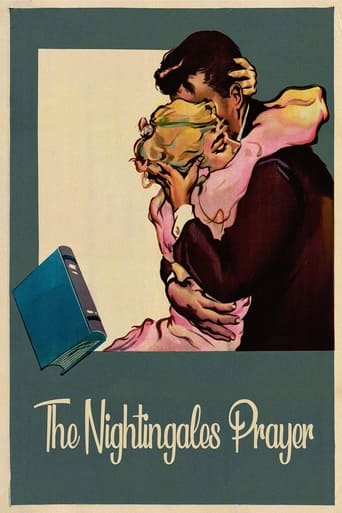 The Nightingale's Prayer
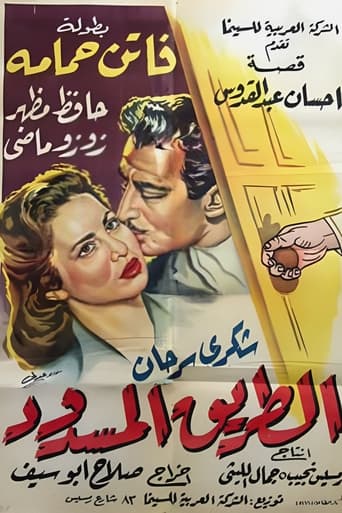 The Barred Road
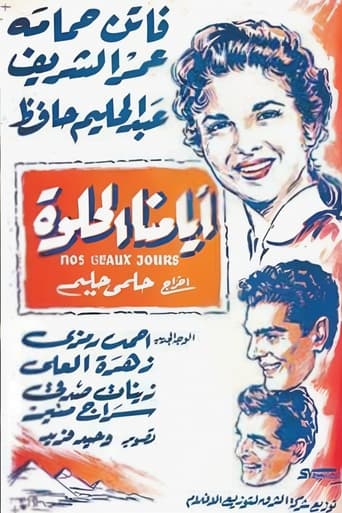 Our Best Days
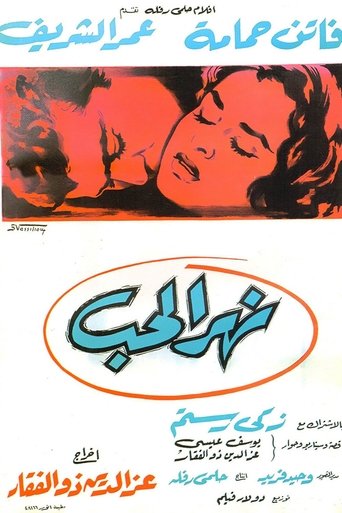 The River of Love
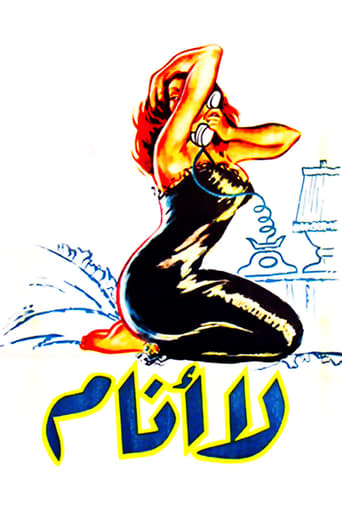 Sleepless
 Among the Ruins
 Professor Fatima
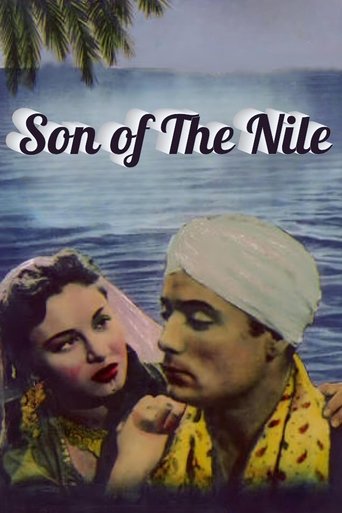 Son of the Nile
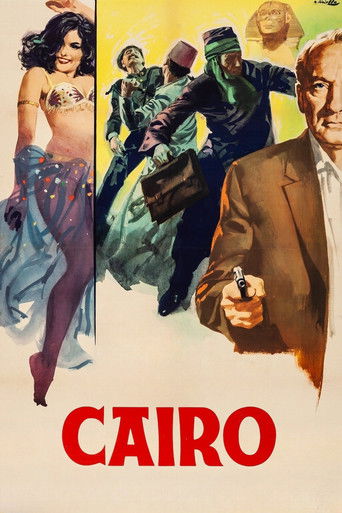 Cairo
 Sayedat el kasr
 Baba Amin
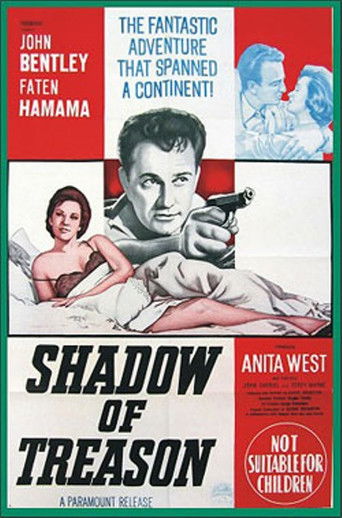 Shadow of Treason
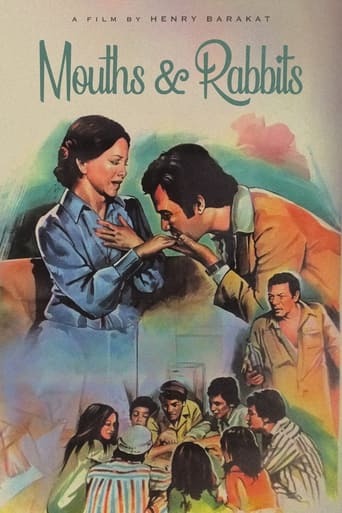 Mouths and Rabbits
 Zalamoni El Nas
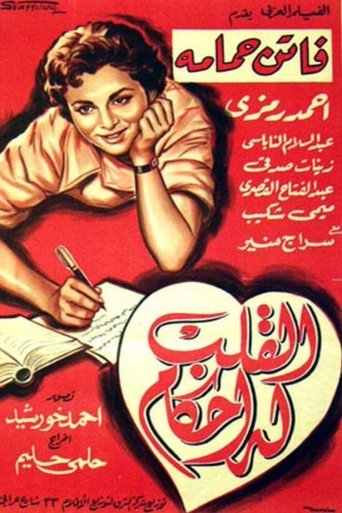 Ways of the Heart
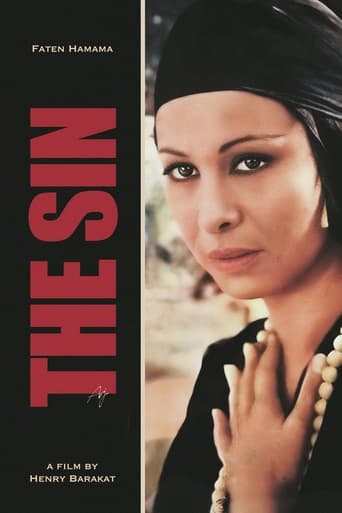 The Sin
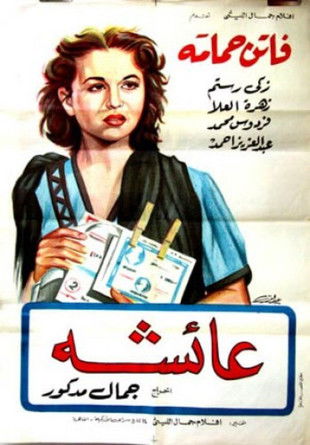 Aisha
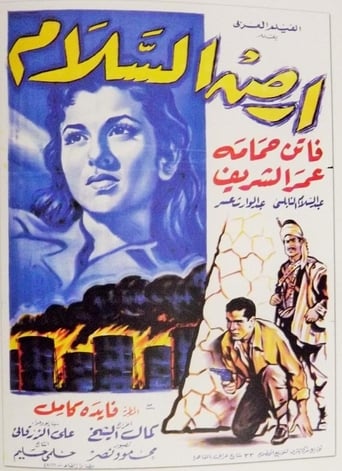 Land of Peace
 Malak alrahma
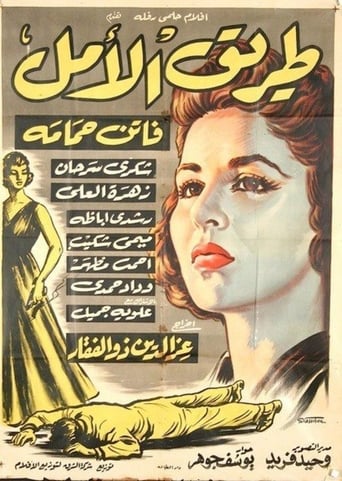 The Road of Hope
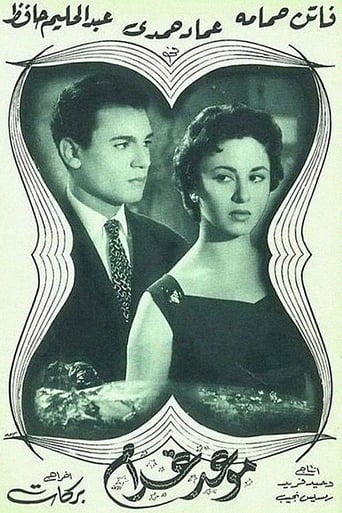 Appointment with Love
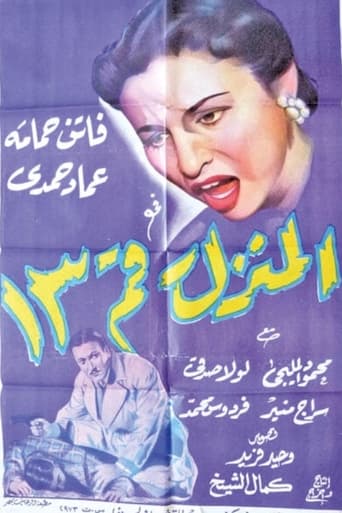 House No. 13
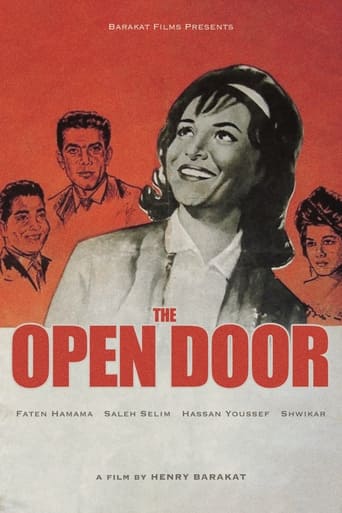 The Open Door
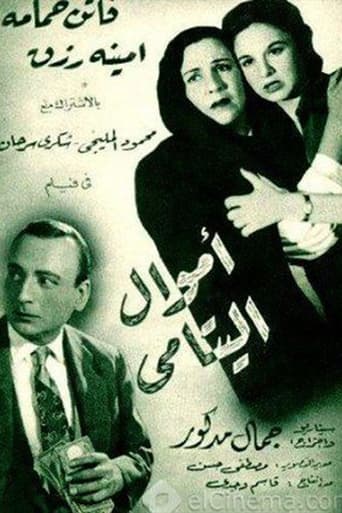 Orphans' money
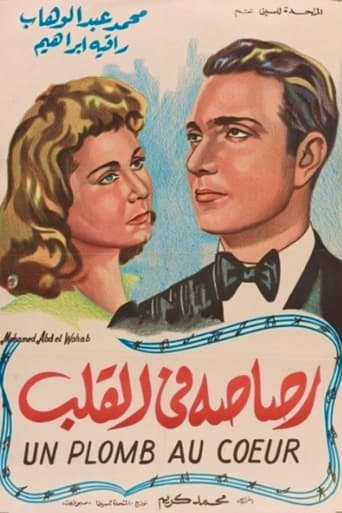 A Bullet in the Heart
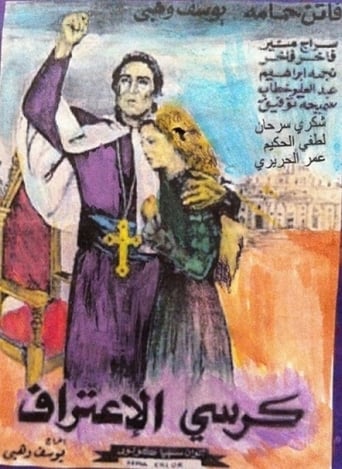 Chair of Confession
Faten Hamama series
Frequently asked questions
- What are Faten Hamama's best-known movies and series?
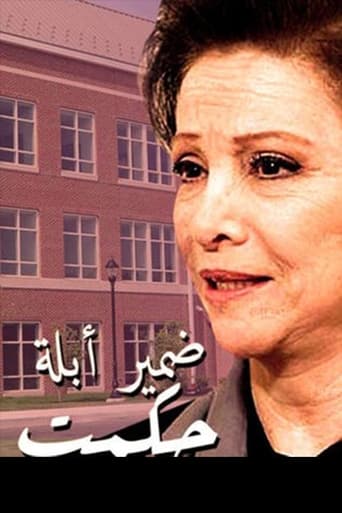
- Faten Hamama is best known for Conscience of Teacher Hekmat (1991), The Blazing Sun (1954), Struggle in the Harbor (1956), The Nightingale's Prayer (1959), The Barred Road (1958), ranked by how popular each title is on TMDB.
- When was Faten Hamama born?
- Faten Hamama was born on 27 May 1931 in El Mansoura, Egypt.
Which Faten Hamama title should you watch?
Say what you are in the mood for and Free Movies Baby picks one, with where to watch it.
Ask Free Movies Baby