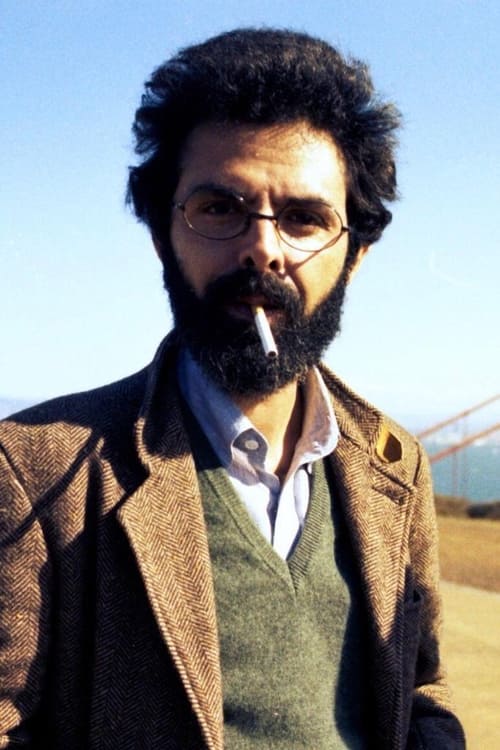
Sohrab Shahid-Saless: movies and series
- Known for
- Directing
- Born
- 28 June 1944, Qazvin, Iran
- Died
- 2 July 1998
Sohrab Shahid-Saless was born in Tehran in 1944 to a middle-class family and lived in Tehran. Shahid-Saless was a storyteller as a child, with a passion for visualizing his narrations. In 1963, Shahid-Saless left Iran for Vienna, where he attended a film school and an acting school at the same time, but his studies were discontinued there in 1967 due to a sudden diagnosis of tuberculosis. In the midst of treatment, he left for Paris to continue his film studies at the prestigious Independent Conservatory of French Cinema, and shortly thereafter, in 1968, he returned to Iran. Upon his return to Tehran, Shahid-Saless began work with the Iranian Ministry of Culture as a documentary filmmaker, where he produced multiple short films and documentaries, partly on the topic of traditional dance amongst different Iranian ethnic groups. In the course of his stay in Iran (1968–74), he produced two major feature films, Yek ettefāq-e sāda (A Simple Event, 1973) and Ṭabiʿat-e bijān (Still Life, 1974), both of which won major international awards for their social realist depiction of life in Iran and for their innovative cinematographic and experimental style. Shahid-Saless also made several short films for the Ministry of Culture and Arts. He made many commissioned films on the local folkloric dances of various ethnic groups. He also started making short documentaries depicting the unnerving condition of life among the working class. Unsurprisingly, the political subversive message of these films was disliked by the government, and Shahid-Saless was forced to leave the country. Settled in Germany in 1974, Shahid-Saless started producing documentaries for the German media. The movies he made gained him further international recognition, and he continued making documentary and feature films for major German television programs. He made his last movie, Rosen für Afrika, in 1991 for German television. In 1992, he left Germany for the United States to join his family. He died from a chronic illness related to his liver from which he suffered throughout his life. Shahid-Saless is known to be a pioneer of the new wave of Iranian cinema. In his own words, his cinema intends to document the “antagonism between man and society”. In the course of his oeuvre, he viewed the role of cinema as “to make conscious of indignity and inhumanity of life".
Sohrab Shahid-Saless movies
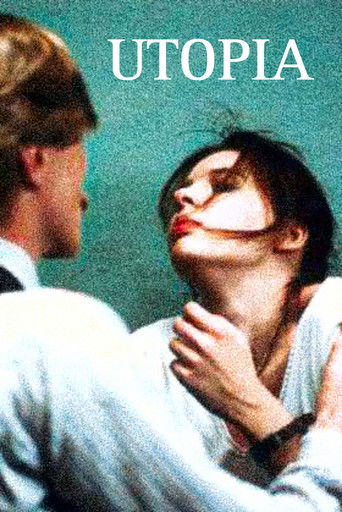 Utopia
 The Long Vacation of Lotte H. Eisner
 Bleeding Heart
 Hans: A Young Man in Germany
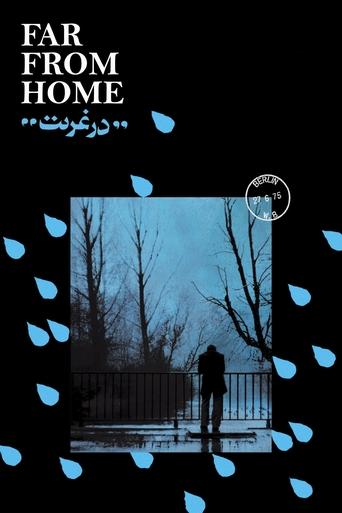 Far from Home
 Still Life
 Harmonica
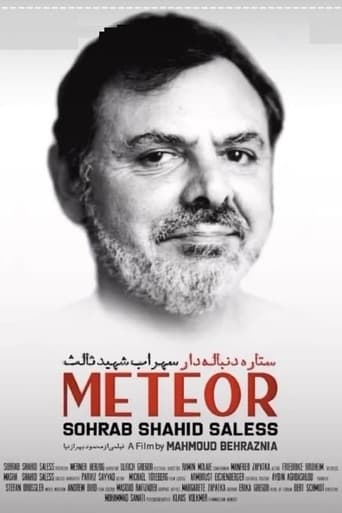 Meteor: Sohrab Shahid Saless
 Beyond the Barrier of Sound
 Sohrab Shahid Saless: Far from Home
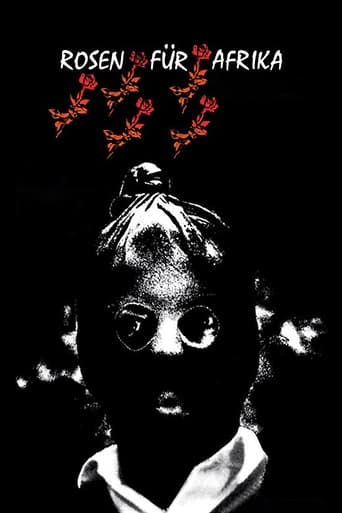 Roses for Africa
 Changeling
 The Willow Tree
 Addressee Unknown
 All in Order
 Time of Maturity
 Diary of a Lover
 If...?
 Grabbe's Last Summer
 Anton P. Chekhov: A Life
 A Letter from Kabul
 A Simple Event
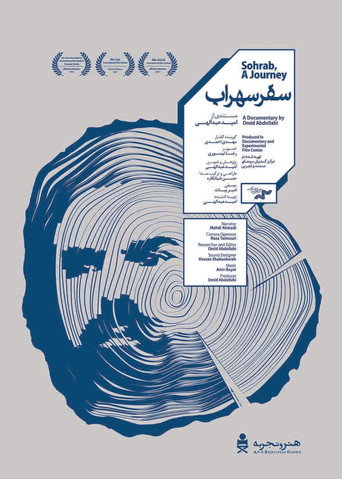 Sohrab, a Journey
 Black and White
 Dance of Bojnourd
 Dances of Torbat-e Jam
 2nd Asian Expo
Frequently asked questions
- What are Sohrab Shahid-Saless's best-known movies and series?
- Sohrab Shahid-Saless is best known for Utopia (1983), The Long Vacation of Lotte H. Eisner (1979), Bleeding Heart (1988), Hans: A Young Man in Germany (1985), Far from Home (1975), ranked by how popular each title is on TMDB.
- When was Sohrab Shahid-Saless born?
- Sohrab Shahid-Saless was born on 28 June 1944 in Qazvin, Iran.
Which Sohrab Shahid-Saless title should you watch?
Say what you are in the mood for and Free Movies Baby picks one, with where to watch it.
Ask Free Movies Baby