
Rogério Sganzerla: movies and series
- Known for
- Directing
- Born
- 26 November 1946, Joaçaba, Santa Catarina, Brazil
- Died
- 9 January 2004
Rogério Sganzerla (1946 — 2004) was a Brazilian filmmaker and one of the main names of the Cinema de Invenção (or Cinema Marginal) underground movement. Influenced by Orson Welles, Jean-Luc Godard, and José Mojica Marins, Sganzerla often used clichés from film noir and pornochanchadas. Irony, narrative subversion and collage were trademarks of his film aesthetics. Sganzerla was born in Joaçaba, in the state of Santa Catarina, but moved with his family to São Paulo at a very young age, living there for most of his life. During the 1960s he wrote for the newspaper "O Estado de S. Paulo" ("The State of S. Paulo") as film critic, quickly being recognised as a young talent. In 1967, Sganzerla directed his first short film, "Documentário" ("Documentary"), winning an award at the JB-Mesbla 16mm Festival. "Documentário" was quickly followed up by his first feature-length film in 1968, "O Bandido da Luz Vermelha" ("The Red Light Bandit"), which became a landmark for the movement known as Cinema de Invenção or Cinema Marginal and is still Sganzerla's most well-known film. In 1970, he founded the "Bel-Air Filmes" production company along with fellow Cinema de Invenção filmmaker Júlio Bressane. Headed by Sganzerla, the company produced his films "Copacabana Mon Amour", "Carnaval na Lama" and "Sem Essa, Aranha" and Bressane's "A Família do Barulho", "Barão Olavo, o Horrível" and "Cuidado, Madame", all shot in Brazil during four months of 1970 and edited abroad, in England, when both Sganzerla and Bressane were banished from their home country by the then rulling military dictatorship. While in exile, both Sganzerla and Bressane continued to shoot new films. Sganzerla's personal obsessions, such as director Orson Welles (and his infamous visit to Brazil) and musicians Noel Rosa and Jimi Hendrix, appear in many of his films, going as far as being the main subject in some of them. In 1985, Sganzerla directed the docufiction "Nem Tudo É Verdade" ("It's Not All True") about Orson Welles' arrival in Brazil to film his unfinished documentary "It's All True". Sganzerla died in 2004, of a brain tumor, shortly after finishing his last film "O Signo do Caos" ("The Sign of Chaos"). Description above from the Wikipedia article Rogério Sganzerla licensed under CC-BY-SA, full list of contributors on Wikipedia.
Rogério Sganzerla movies
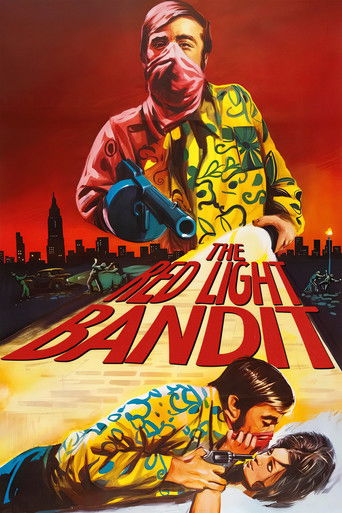 The Red Light Bandit
 Brazilian Cinema in the 20th Century
 It's All True
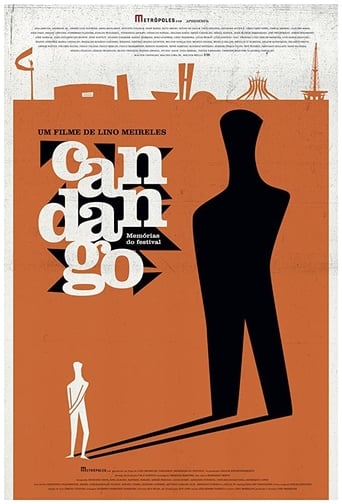 Candango: Memoirs from a Festival
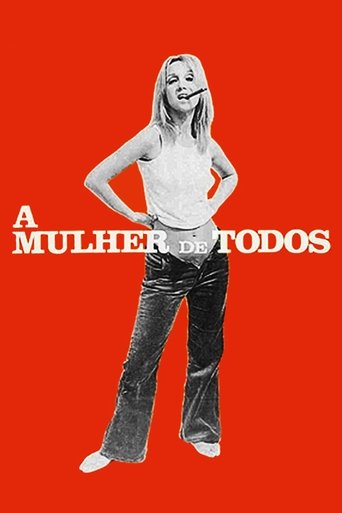 The Woman of Everyone
 Baron Olavo, The Horrible
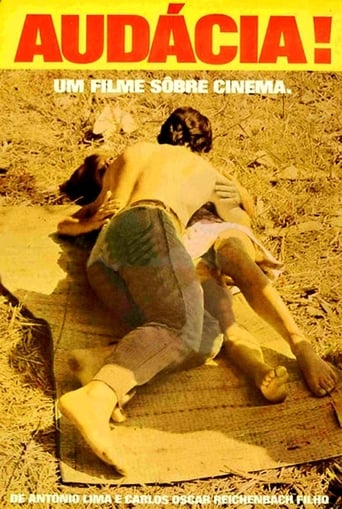 Audácia!
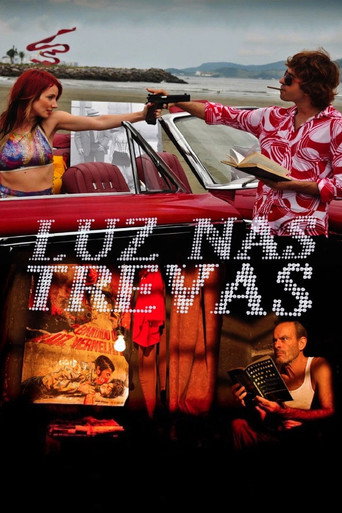 Light in Darkness: The Return of Red Light Bandit
 Welles' Language
 The Rowdy Family
 Watch Out, Madame
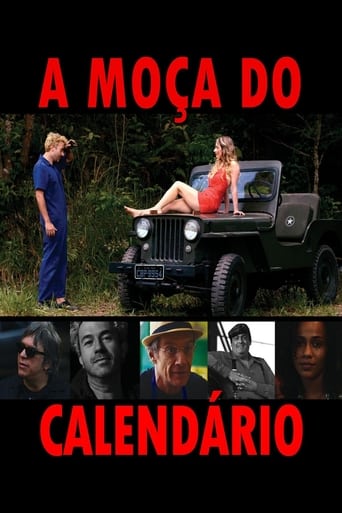 My Calendar Girl
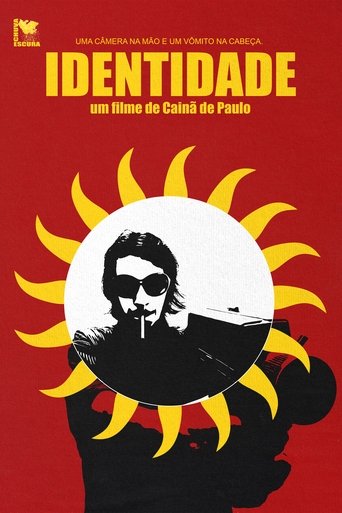 Identidade
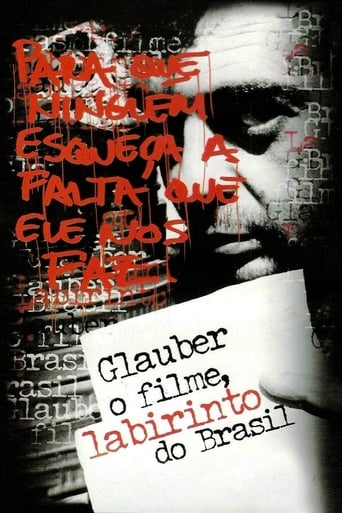 Glauber Rocha - The Movie, Brazil's Labyrinth
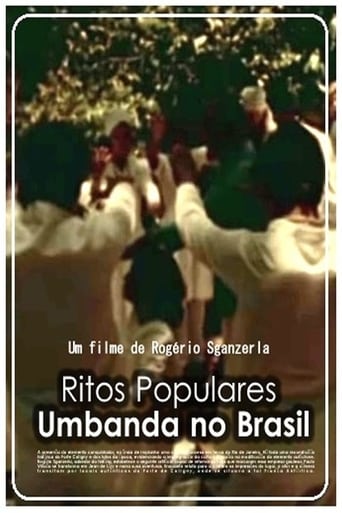 Ritos Populares: Umbanda no Brasil
 A Miss e o Dinossauro
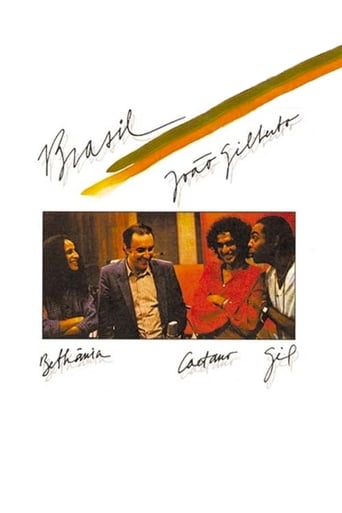 Brasil
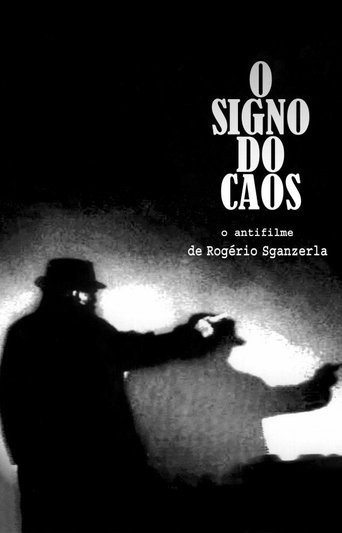 The Sign of Chaos
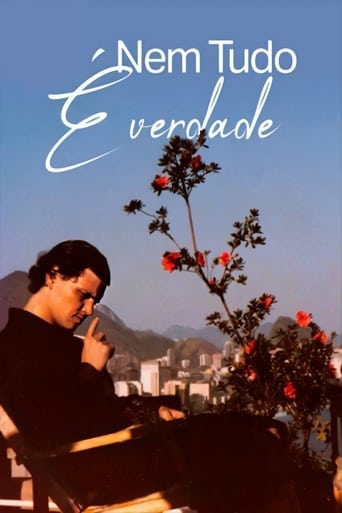 It's Not All True
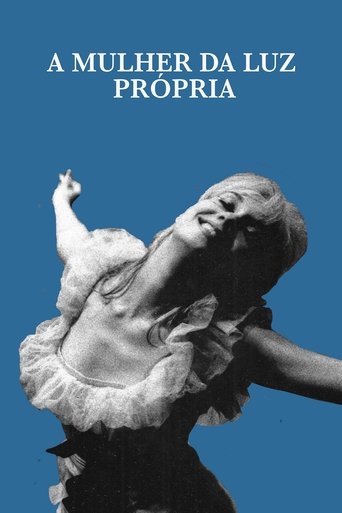 A Mulher da Luz Própria
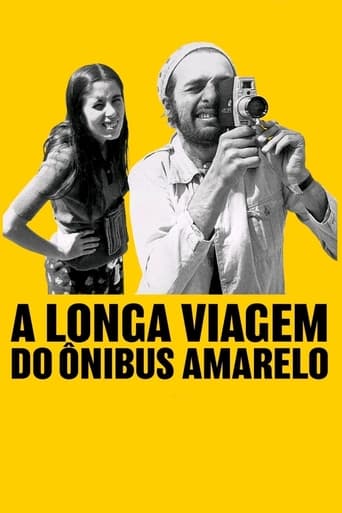 The Long Voyage of the Yellow Bus
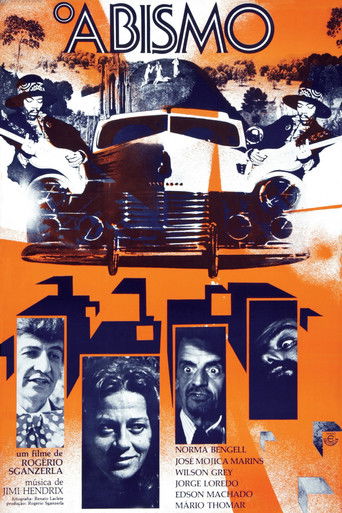 The Abyss
 Oswaldianas
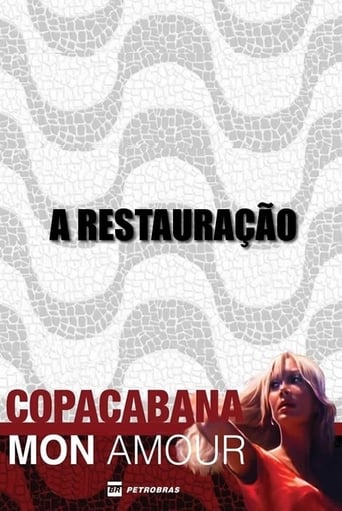 Copacabana, Mon Amour: A Restauração
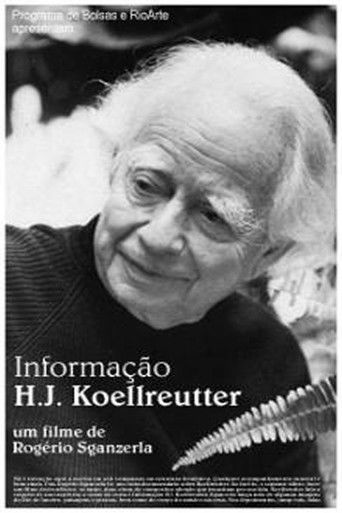 Informação H. J. Koellreutter
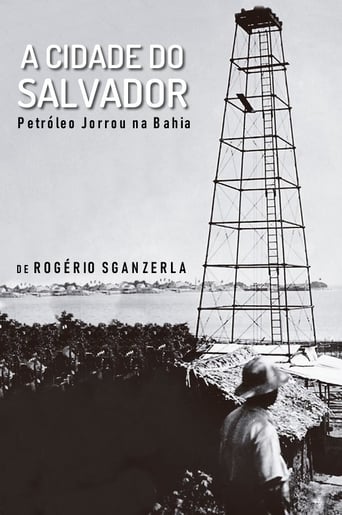 A Cidade do Salvador (Petróleo Jorrou na Bahia)
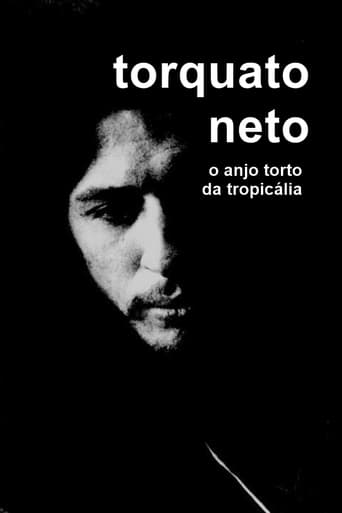 Torquato Neto, O Anjo Torto da Tropicália
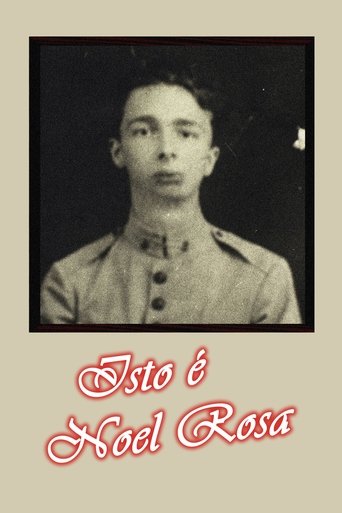 Isto é Noel Rosa
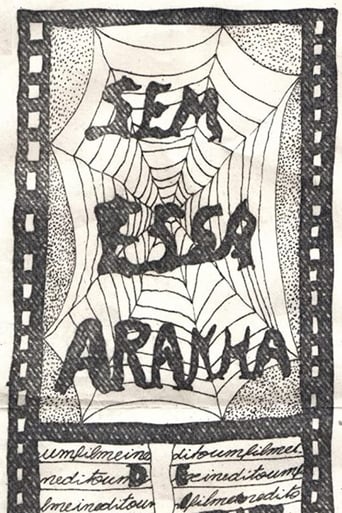 No Way, Spider
 The Werewolf: A Midnight Terror
Frequently asked questions
- What are Rogério Sganzerla's best-known movies and series?
- Rogério Sganzerla is best known for The Red Light Bandit (1968), Brazilian Cinema in the 20th Century (2017), It's All True (1993), Candango: Memoirs from a Festival (2020), The Woman of Everyone (1969), ranked by how popular each title is on TMDB.
- When was Rogério Sganzerla born?
- Rogério Sganzerla was born on 26 November 1946 in Joaçaba, Santa Catarina, Brazil.
Which Rogério Sganzerla title should you watch?
Say what you are in the mood for and Free Movies Baby picks one, with where to watch it.
Ask Free Movies Baby