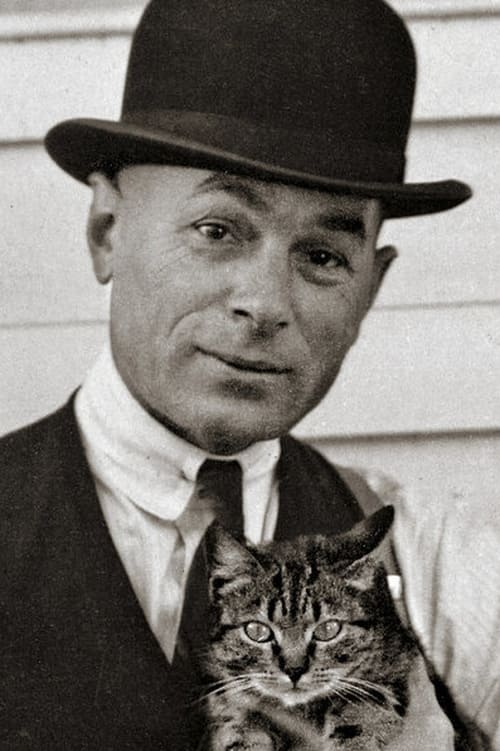
George Herriman: movies and series
- Known for
- Writing
- Born
- 22 August 1880, New Orleans, Louisiana, USA
- Died
- 26 April 1944
George Joseph Herriman III (August 22, 1880 – April 25, 1944) was an American cartoonist best known for the comic strip Krazy Kat (1913–1944). More influential than popular, Krazy Kat had an appreciative audience among those in the arts. Gilbert Seldes' article "The Krazy Kat Who Walks by Himself" was the earliest example of a critic from the high arts giving serious attention to a comic strip. The Comics Journal placed the strip first on its list of the greatest comics of the 20th century. Herriman's work has been a primary influence on cartoonists such as Elzie C. Segar, Will Eisner, Charles M. Schulz, Robert Crumb, Art Spiegelman, Bill Watterson, and Chris Ware. Herriman was born in New Orleans, Louisiana, to mixed-race Creole parents, and grew up in Los Angeles. After he graduated from high school in 1897, he worked in the newspaper industry as an illustrator and engraver. He moved on to cartooning and comic strips—a medium then in its infancy—and drew a variety of strips until he introduced his most famous character, Krazy Kat, in his strip The Dingbat Family in 1910. A Krazy Kat daily strip began in 1913, and from 1916 the strip also appeared on Sundays. It was noted for its poetic, dialect-heavy dialogue; its fantastic, shifting backgrounds; and its bold, experimental page layouts. In the strip's main motif and dynamic, Ignatz Mouse pelted Krazy with bricks, which the naïve, androgynous Kat interpreted as symbols of love. As the strip progressed, a love triangle developed between Krazy, Ignatz, and Offisa Pupp. Pupp made it his mission to prevent Ignatz from throwing bricks at Krazy, or to jail him for having done so, but his efforts were perpetually impeded because Krazy wished to be struck by Ignatz's bricks. Herriman lived most of his life in Los Angeles, but made frequent trips to the Navajo deserts in the Southwestern United States. He was drawn to the landscapes of Monument Valley and the Enchanted Mesa, and made Coconino County the location of his Krazy Kat strips. His artwork made much use of Navajo and Mexican themes and motifs against shifting desert backgrounds. He was a prolific cartoonist who produced a large number of strips and illustrated Don Marquis's books of poetry about Archy and Mehitabel, an alley cat and a cockroach. Newspaper magnate William Randolph Hearst was a proponent of Herriman and gave him a lifetime contract with King Features Syndicate, which guaranteed Herriman a comfortable living and an outlet for his work despite its lack of popularity. Description above from the Wikipedia article George Herriman, licensed under CC-BY-SA, full list of contributors on Wikipedia.
George Herriman movies
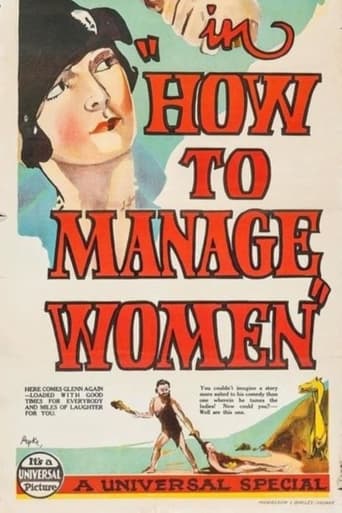 How to Handle Women
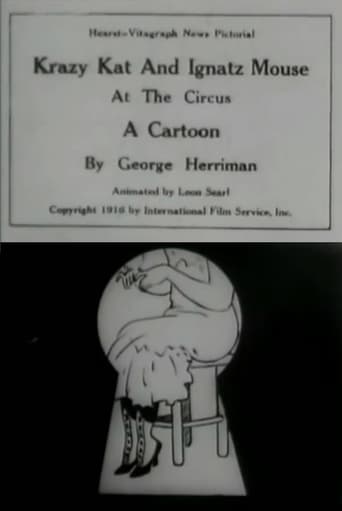 Krazy Kat and Ignatz Mouse at the Circus
 Krazy Kat Goes A-Wooing
 Hot Dogs On Ice
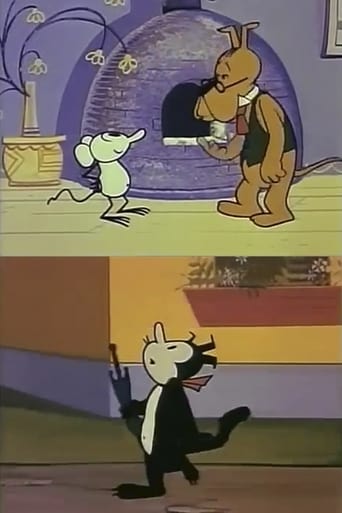 Keeping Up with Krazy
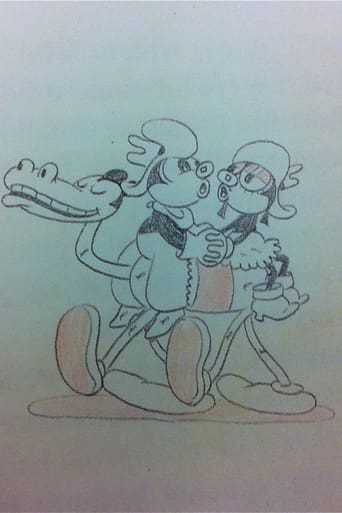 Rodeo Dough
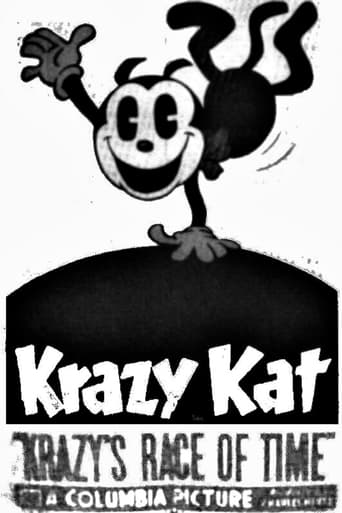 Krazy's Race of Time
 Krazy Spooks
 Light House Keeping
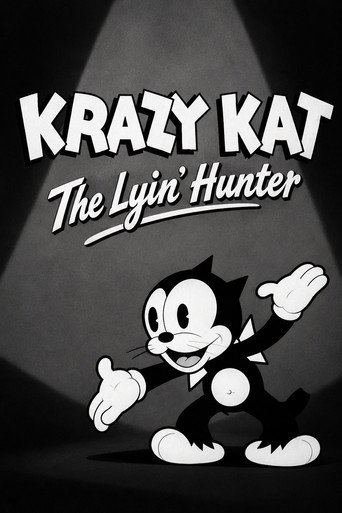 The Lyin' Hunter
 The Trapeze Artist
 The New Champ
 Ratskin
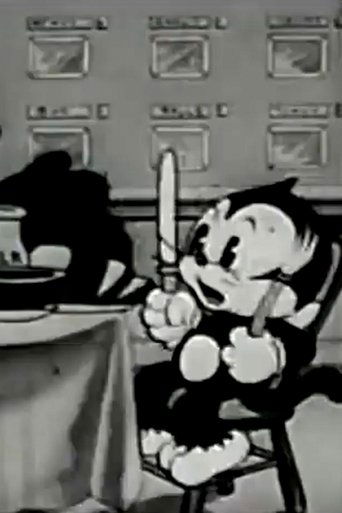 The Merry Cafe
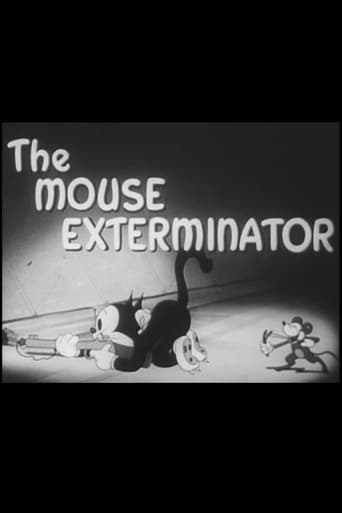 The Mouse Exterminator
 Antique Antics
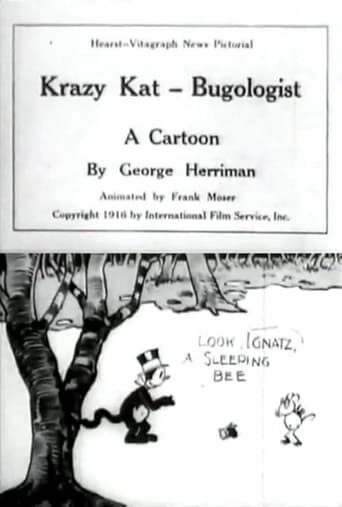 Krazy Kat, Bugologist
 Scents and Nonsense
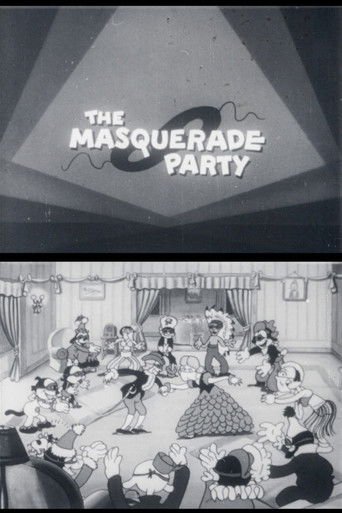 Masquerade Party
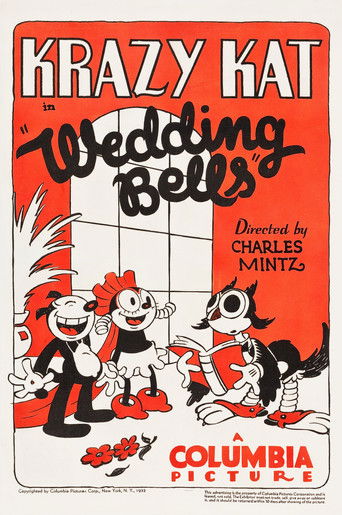 Wedding Bells
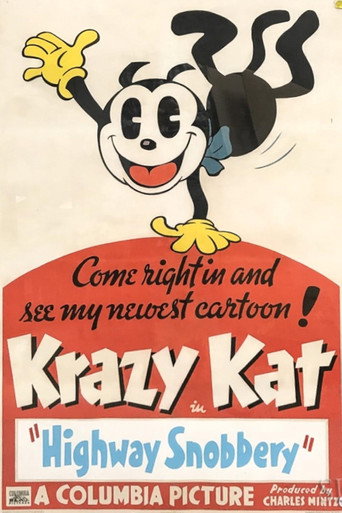 Highway Snobbery
 Soda Poppa
George Herriman series
Frequently asked questions
- What are George Herriman's best-known movies and series?
- George Herriman is best known for Krazy Kat (1962), How to Handle Women (1928), Krazy Kat and Ignatz Mouse at the Circus (1916), Krazy Kat Goes A-Wooing (1916), Hot Dogs On Ice (1938), ranked by how popular each title is on TMDB.
- When was George Herriman born?
- George Herriman was born on 22 August 1880 in New Orleans, Louisiana, USA.
Which George Herriman title should you watch?
Say what you are in the mood for and Free Movies Baby picks one, with where to watch it.
Ask Free Movies Baby